
[School × Youth] Ported to Switch, Making It Playable for More People! What Kind of Game is “CROSS†CHANNEL,” Released as a PC Game in 2003 and Praised as a Masterpiece?
[School × Youth] Ported to Switch, Making It Playable for More People! What Kind of Game is “CROSS†CHANNEL,” Released as a PC Game in 2003 and Praised as a Masterpiece?
2025-12-24
[School × Youth] Ported to Switch,
Making It Playable for More People!
What Kind of Game is “CROSS†CHANNEL,”
Released as a PC Game in 2003 and Praised as a Masterpiece?
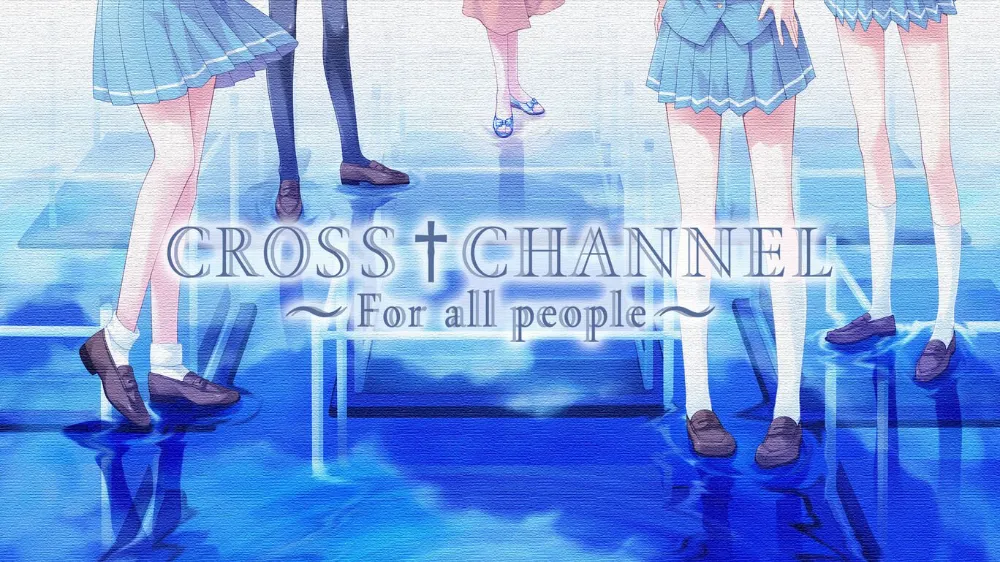
A deeply poignant story that cannot be fully described by the words “School Youth Adventure”—that is “CROSS†CHANNEL ~To all people~.” The outward appearance is that of a typical school story, but its content is profoundly heavy, yet somehow gentle. This work depicts the story of “rebuilding” among the Broadcasting Club members, set in the fictional Gunjo Academy. The main axis of the story is Taichi Kurosu, a somewhat twisted young man. Centered around him, the process through which the hearts of his comrades, who once worked together as one, drifted apart over time and then gradually began to overlap again is depicted with a delicate yet sharp touch.

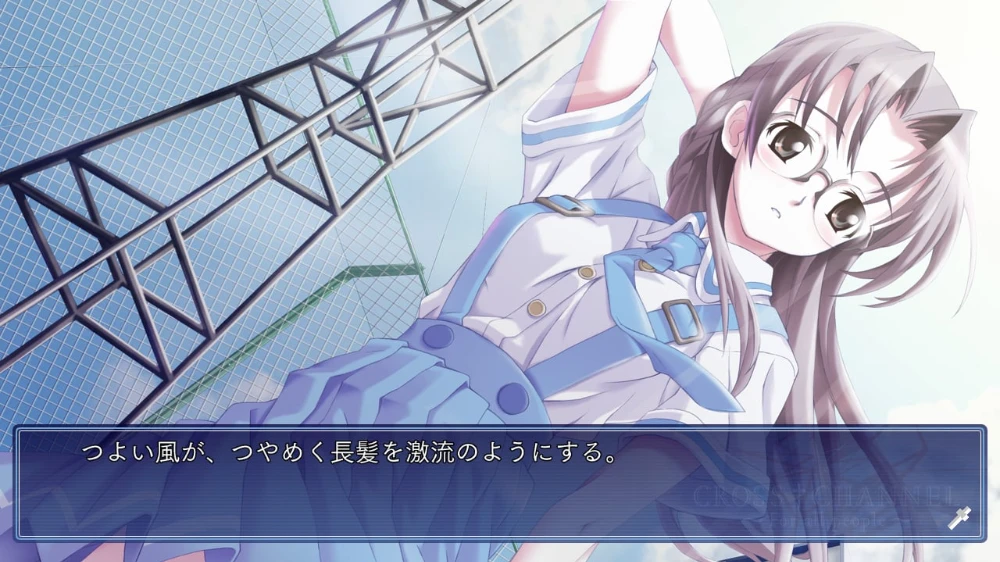
The story quietly begins with a certain “anomaly.” There is no sign of people at the school after summer vacation, and the friends who once spent time together have closed their hearts, isolating everyone. Amidst such anxiety—what happened, and why did it become like this—Taichi and the club president, Misato Miyasumi, begin assembling an antenna just as they once did. This is not so much “club activity” as it is a small expression of hope: the desire to believe once again in the bond that certainly existed in the past. The wind blowing on the rooftop, the silently assembled antenna—all of it asks without words: “Is there still something left here that can connect us?”
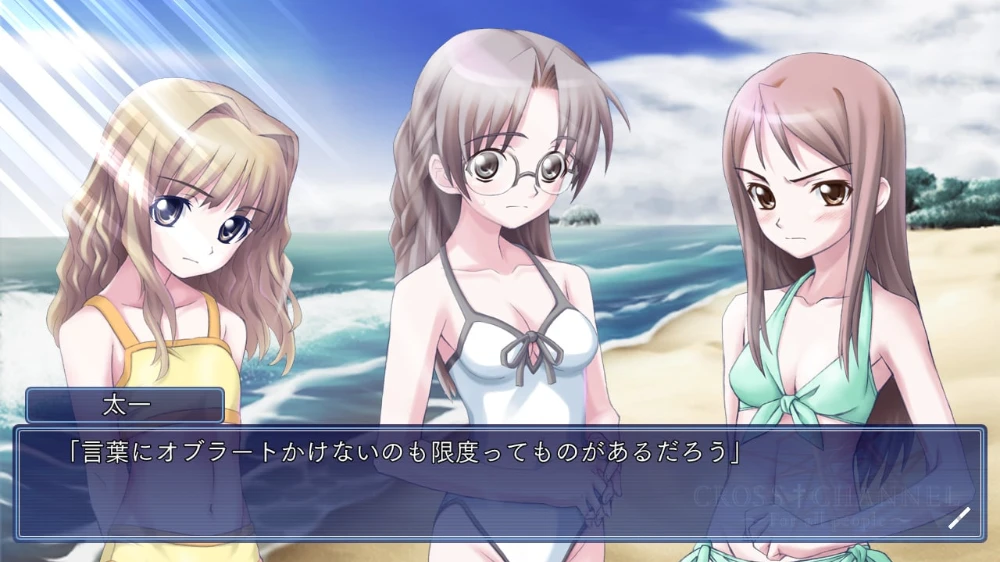
The appeal of this work lies in the ability to delve deeply into the feelings of each character, not just follow the main narrative. Especially in “To all people,” scenarios depicted from the perspectives of other characters are added to the original story. This allows their pain, struggles, and feelings toward Taichi to emerge three-dimensionally. The true feelings left unsaid, the past they wished they could have expressed, and the emotions they want to convey right now—all of it quietly resonates within the crossing channel.

Eventually, a message is emitted from the completed transmission device. It is not just communication, but the earnest desire itself to “convey something to someone.” The theme of this work is “conveying.” However, I believe it signifies not speaking or explaining, but the “attitude” itself of trying to touch another person's heart. The bonds that were nearly lost, the scattered friends, and the hearts that reconnect again under this sky—the moment they become one in the story's climax, an overwhelming, heartwarming emotion rushes in.
CROSS CHANNEL

Related Articles
-
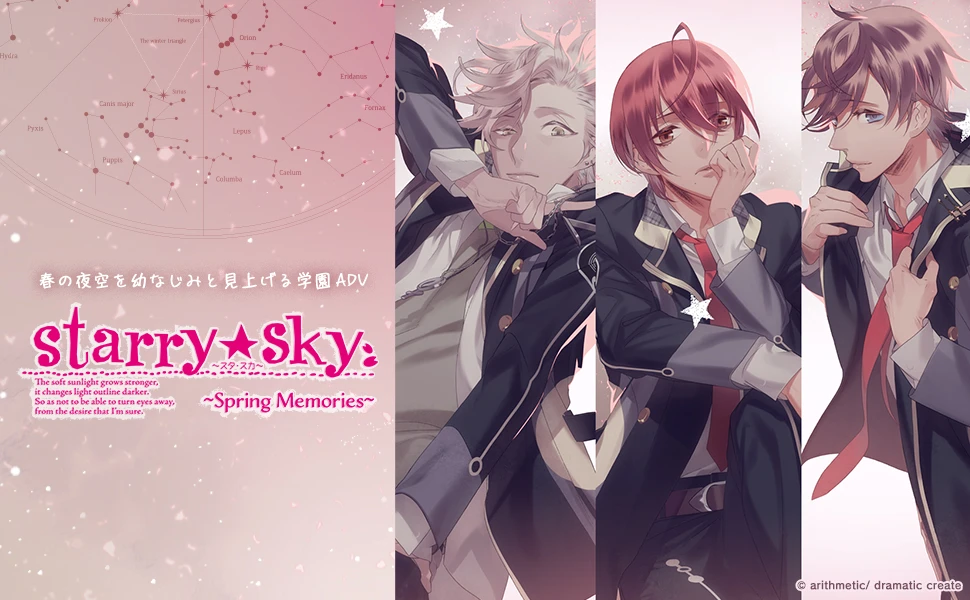 If you’re starting Starry Sky from scratch, this is it! Including not only the main story but also the fan disk scenarios, and even the drama CD version! Starry☆Sky Spring Memories, with stills refreshed into high-quality CG, is now on Switch!2026-02-23 Saori
-
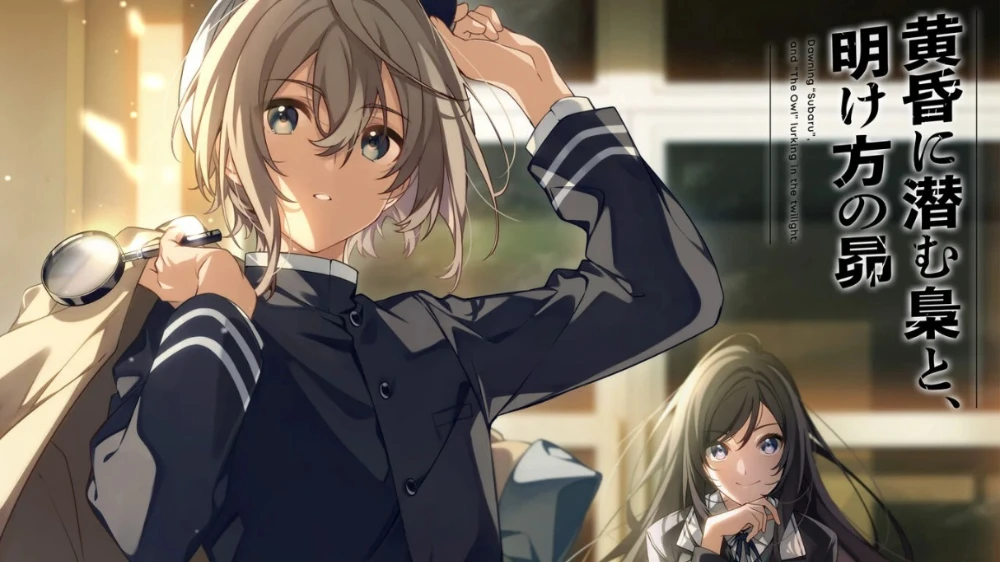 [Mystery] Scenarist is a winner of a Japanese mystery award! The culprit and victims of a shocking incident are the protagonist's best friends!? Solve the orchestrated mystery! Tasogare ni Hisomu Fukurou to, Akegata no Subaru is now on sale!2026-02-21 Saori
-
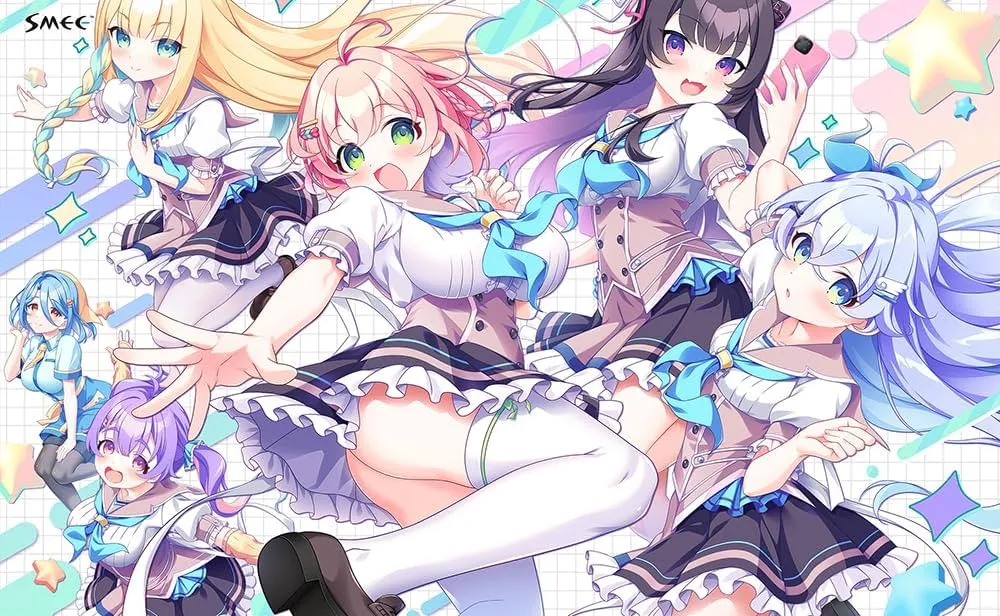 [Lovepical-Poppy!] Manage a dormitory and run a cafe, but it's not just a romance game! With over 20 girls, who you get close to is up to you! The brand's 15th-anniversary game, Lovepical-Poppy!, is now on Switch!2026-02-15 Saori
-
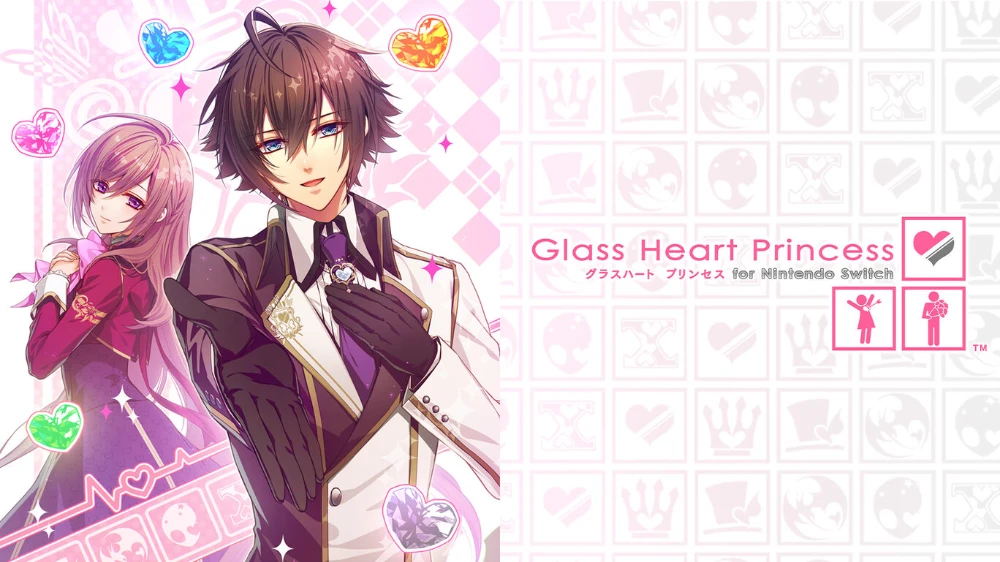 【Heart-throbs x Death Flags!?】 The heroine will die if her heart flutters!? The only way to overcome it is...... to fall in love, make her heart race, and physically train her heart! Glass Heart Princess is now available on Switch!2026-02-13 Saori
-
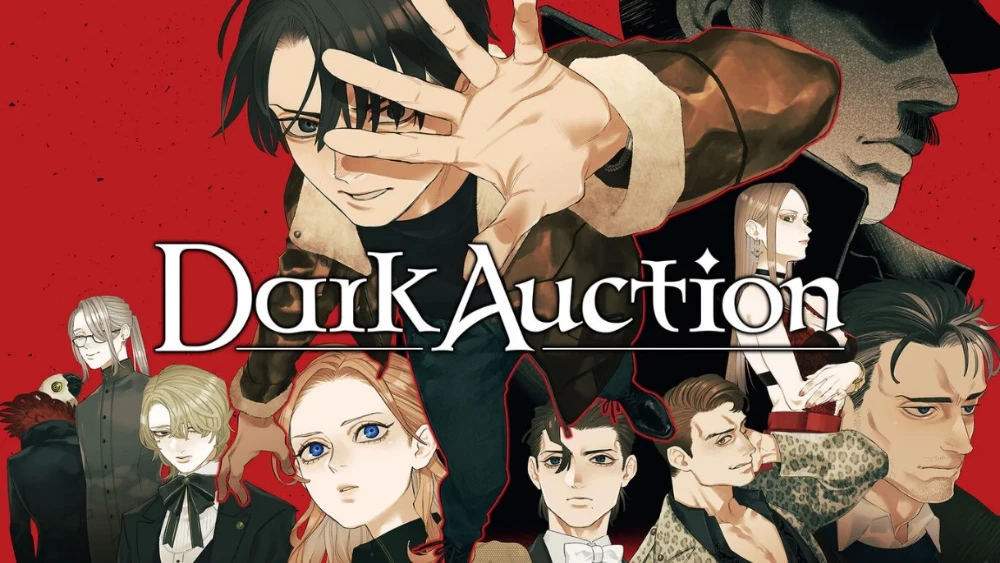 【Dark x Suspense】 What you need to bid is “Memories”! Link antiques put up for auction with the memories offered as payment to uncover the truth! “Dark Auction” is now available!2026-02-09 Saori
-
 [ DRAGON QUEST VII ] Releasing on Feb 5th, DRAGON QUEST VII is being ”Reimagined” for the first time in 26 years! Here are the new elements that both newcomers and returning fans will enjoy!2026-02-06 Saori
Popular Articles
-
 【3A Company】A Highly Rated Domestic Device Manufacturer! Check Out Recommended Products from 3A Company!2025-03-30 Saori
-
 【THQ Japan】A Once-Dissolved Game Company Revives as a Brand! What is THQ (Japan), Expanding Globally?2025-03-26 Saori
-
 【TATSUJIN】Named After a Legendary Game! A Rising Game Developer Founded by Former Staff! What Kind of Company is TATSUJIN?2025-03-24 Saori
-
 【TECMO】The Predecessor of KOEI TECMO GAMES! A Company Known for Creating Masterpieces in a Wide Range of Genres, from Simulation to Horror to Fighting Games!2023-11-17 Saori
-
 【VICTRIX】 Now Expanding in Japan! Discover VICTRIX's Top Gaming Devices!2025-03-29 Saori
-
[Lovepical-Poppy!] Manage a dormitory and run a cafe, but it's not just a romance game! With over 20 girls, who you get close to is up to you! The brand's 15th-anniversary game, Lovepical-Poppy!, is now on Switch!2026-02-15 Saori