【Wii U】 Released on December 8, 2012! It Actually Had Quite a Few Innovative Elements!? It's Hard to Believe It Was Released Over 10 Years Ago—This is What the Wii U Was Like!
【Wii U】 Released on December 8, 2012! It Actually Had Quite a Few Innovative Elements!? It's Hard to Believe It Was Released Over 10 Years Ago—This is What the Wii U Was Like!
2025-12-09
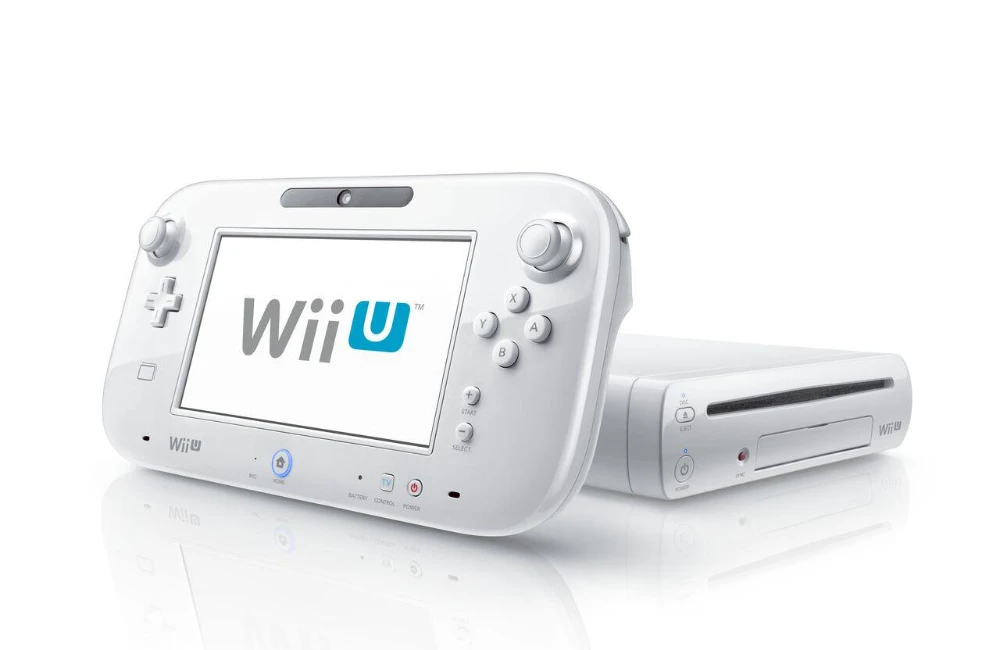
Do you remember the Wii U console? This machine, which was released by Nintendo on December 8, 2012, as a next-generation home console. At the time, it was a unique presence that was slightly ahead of its time. As the successor to the Wii, its design, which presented new possibilities for home gaming, was truly a culmination of “challenge.”
When the Wii U was released, TV broadcasting in Japan had fully transitioned to digital, and the home TV environment had significantly changed. At that timing, the Wii U was the first Nintendo hardware to support HD video. The inclusion of an HDMI terminal was a huge step for users accustomed to the Wii's analog output. The beauty of the visuals was greatly enhanced, allowing players to dive deeper into the game world.
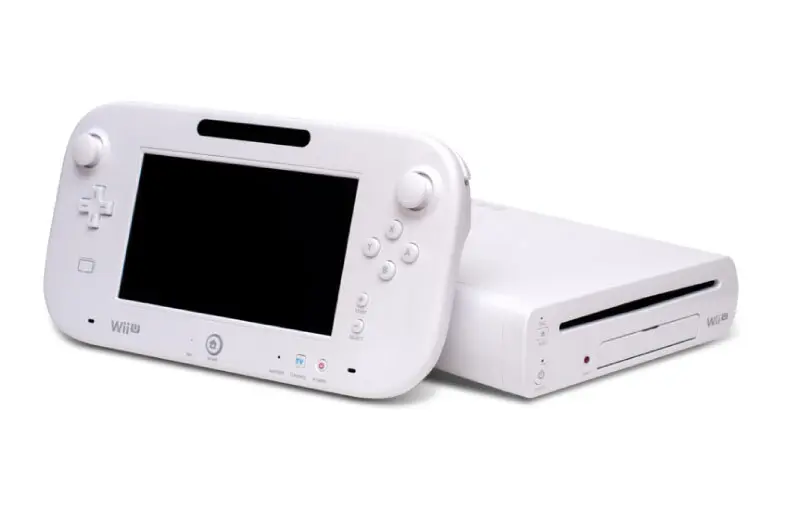
The design of the Wii U differed from the Wii's sharp vertical style, featuring a rounded, gentle form. Although horizontally oriented by default, it also had the flexibility to be placed vertically using a dedicated stand. Furthermore, it was surprisingly compact, and its ease of handling, fitting snugly into gaps on shelves, was a key feature.
One of the appreciated aspects of the Wii U was its compatibility, allowing you to play Wii software as is. Being able to continue enjoying memorable titles and favorite games was a great relief for gamers. Also, the fact that peripherals like the Wii Remote and Sensor Bar could still be used meant that the burden of replacement was low, which was a welcome bonus.
The symbol of the Wii U was, above all, the presence of the “Wii U GamePad.” Many must have been surprised by its size and impact when they first saw it. Being a controller with a screen was futuristic enough, but it also included touch operation support, a camera, motion sensors, and an NFC reader. It was like a small spaceship in your hands. Using this GamePad, you could display different information simultaneously with the TV screen; for example, in Splatoon, the game screen was on the TV and the map was on the GamePad, allowing for stress-free play.
Another major advantage of the GamePad was that some titles could be played solely on it. This allowed for a play style—a precursor to today's Nintendo Switch—where you could quietly enjoy playing in another room even when the TV was being used by family members. It was groundbreaking at the time and expanded the options for enjoying games more freely.
Furthermore, “amiibo,” which combines games and figures, also debuted during the Wii U era. It became a hot topic, especially concurrently with Super Smash Bros. for Wii U, and the new way to enjoy games by reading and training character data garnered attention. This mechanism, which continues on the Switch today, can be considered one of the cultural elements born from the Wii U.
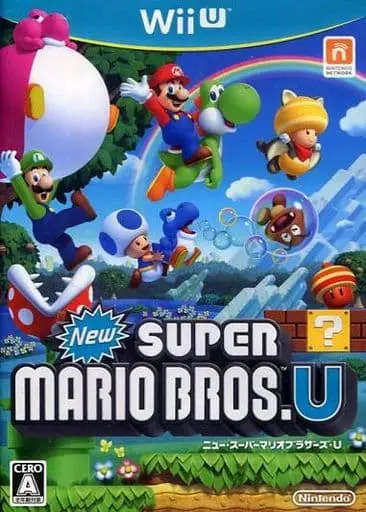
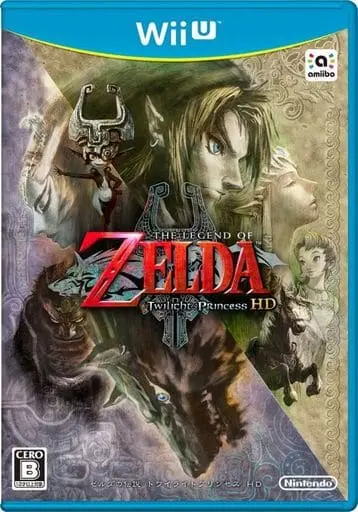
Numerous appealing titles were released for the Wii U. Starting with New Super Mario Bros. U, a rich lineup was available from launch, including Monster Hunter 3 Ultimate HD Ver. and Warriors Orochi 3 Hyper. Following that, masterpieces that would remain in gaming history, such as Bayonetta 2, Mario Kart 8, Super Mario Maker, Pikmin 3, and even The Legend of Zelda: Breath of the Wild, which also became popular on the Switch, successively appeared and colored the stage that was the Wii U.
There are definitely people out there whose consoles still power on and work! When we talk about nostalgic Wii U software, these are the ones!
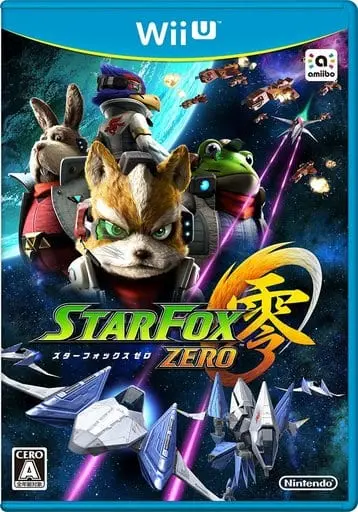
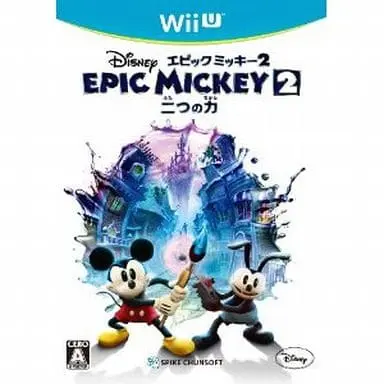
Wii U
▸
Related Articles
Popular Articles
-
 【Alchemy】 Let's fulfill the taboo alchemy of a father who lost his daughter. My Lovely Daughter Reborn, with numerous further brush-up elements added toward the packaged version, decided to go on sale!2026-10-10 Saori
-
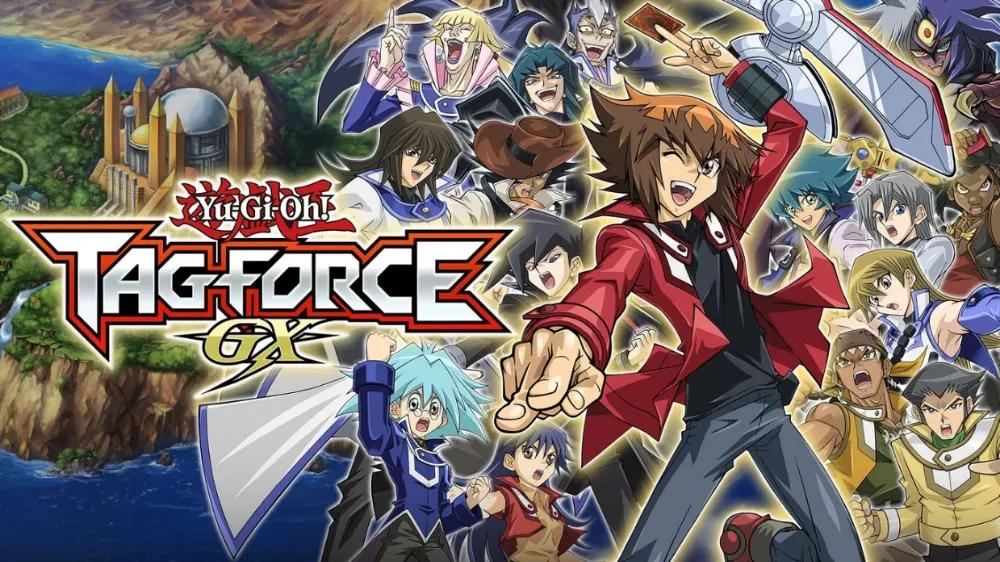 【Yu-Gi-Oh! GX】 Those battles, friends, and the academy revive packed with additional elements! Equipped with online battle functions, Yu-Gi-Oh! TAG FORCE GX making battles with rivals all over the world possible decided to go on sale!2026-10-07 Saori
-
 【THQ Japan】A Once-Dissolved Game Company Revives as a Brand! What is THQ (Japan), Expanding Globally?2025-03-26 Saori
-
 【VICTRIX】 Now Expanding in Japan! Discover VICTRIX's Top Gaming Devices!2025-03-29 Saori
-
 【TECMO】The Predecessor of KOEI TECMO GAMES! A Company Known for Creating Masterpieces in a Wide Range of Genres, from Simulation to Horror to Fighting Games!2023-11-17 Saori
-
 【TATSUJIN】Named After a Legendary Game! A Rising Game Developer Founded by Former Staff! What Kind of Company is TATSUJIN?2025-03-24 Saori