
[SIMS] A hidden long-established developer that has been quietly creating games since the Mega Drive era! What kind of company is SIMS, which became independent from SEGA in 2004?
[SIMS] A hidden long-established developer that has been quietly creating games since the Mega Drive era! What kind of company is SIMS, which became independent from SEGA in 2004?
2026-01-20
[SIMS] A hidden long-established developer that has been quietly creating games since the Mega Drive era!
What kind of company is SIMS, which became independent from SEGA in 2004?

When looking back at the history of gaming, there is an existence that has quietly but surely left its footprints in the shadows of the times. SIMS Co., Ltd. — even among game fans, only a few might immediately recognize the name. However, this company has actually been at the forefront of the game industry since its birth in 1991. Its founding was the result of the strong shared vision between SEGA Enterprises and Mamoru Shigeta, the former president of Sanritsu Denki. At its inception, SEGA held about 70% of the investment, making the company something of an alter ego for SEGA. This is why, from the Mega Drive era through to the Dreamcast, SIMS has maintained its own unique approach to game creation while deeply inheriting the DNA of SEGA.
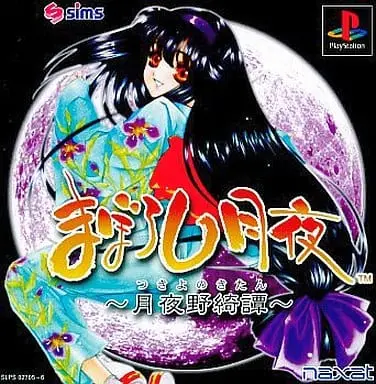
In 1997, it became 100% owned by SEGA. In other words, it became a wholly owned subsidiary, and its position evolved more clearly into a ”core development division of SEGA.” However, the interesting part starts there. In 2000, a ported version of the PlayStation title Maboroshi Tsukiyo, developed by SIMS, was released. At that time, SEGA was still in a head-to-head battle with its rival, Sony. A very rare phenomenon occurred where a wholly owned subsidiary of SEGA was developing a game for the PlayStation. This episode perfectly symbolizes the flexibility and uniqueness of SIMS. Their passion for ”creating interesting games,” transcending corporate boundaries, was their greatest weapon.
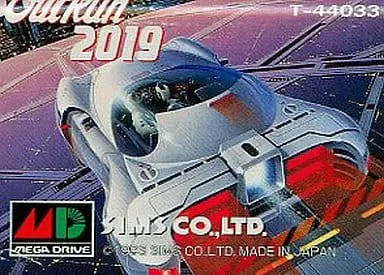
One of their representative works is OutRun-2019 for the Mega Drive. As a title connected to the classic racing game OutRun series, it is a game that fuses a sense of high speed with a futuristic world view. Many fans were captivated by the production and sense of speed unique to home consoles, which differed from the arcade version. And we must not forget Maboroshi Tsukiyo on the Dreamcast. Highly regarded for its fantastic and delicate world view and deep storytelling, it remains a work talked about among certain fans to this day. They are not the type of company to churn out flashy blockbusters, but they have quietly continued to create works that stay in the hearts of those who play them — that is SIMS.
In 2004, the company achieved complete independence from SEGA, and today, as a company headquartered in Shibuya, Tokyo, it develops businesses diversely, including development, sales, and staffing. Even after shedding the title of being under SEGA's umbrella, its technical capabilities and development sense remain strong. If anything, one can feel their confidence in being able to ”create interesting things even without the SEGA brand.” Their perspective from watching the industry for many years and the know-how cultivated through many projects are likely still being utilized in next-generation game creation.
If you were to describe SIMS in one phrase, it would be a ”quiet group of craftsmen.” They rarely grab big headlines, but their attitude of steadily and sincerely facing game creation shines through. Their journey, walking alongside the evolution of home game consoles since the Mega Drive era, can truly be called an existence that supported the backside of Japanese game culture. If you see the name ”Developer: SIMS” in a game you play from now on, it is surely a carefully crafted title. With such expectations in mind, I hope you will experience their works.
Plenty of retro games! Click here for SIMS's past software lineup!
Maboroshi Tsukiyo
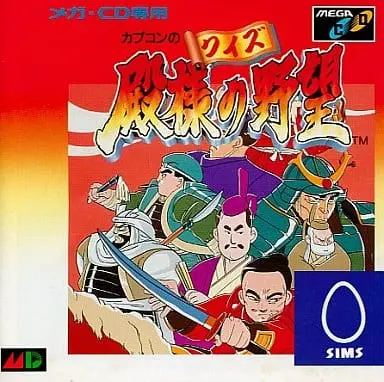
Quiz Tonosama no Yabou
Out Run 2019
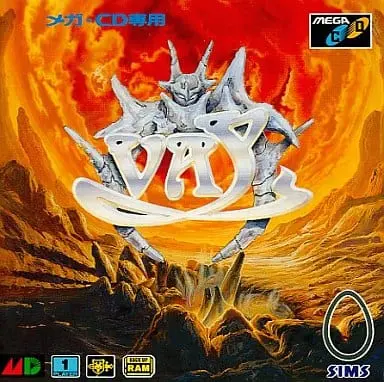
Vay: Ryuusei no Yoroi
▸
Related Articles
-
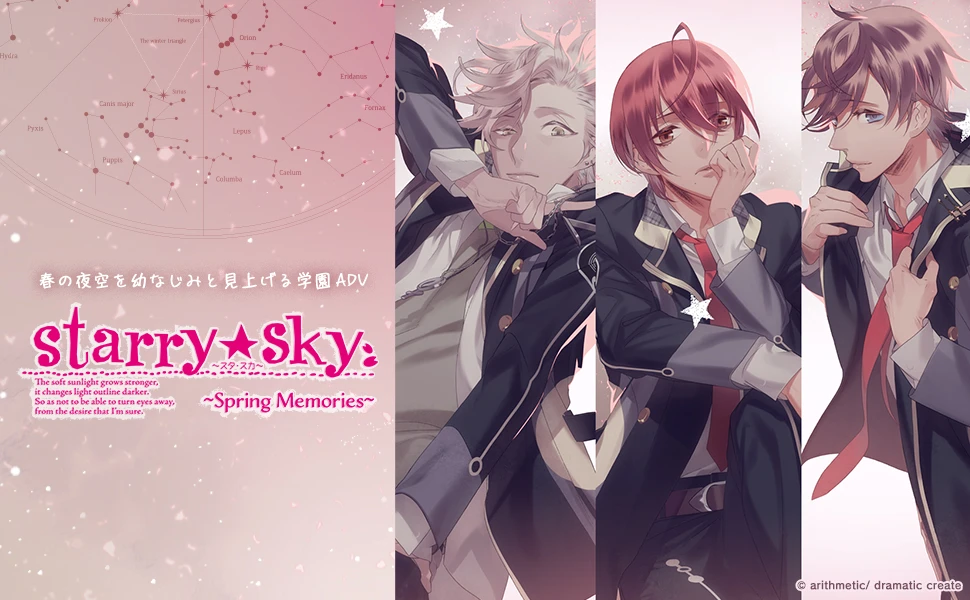 If you’re starting Starry Sky from scratch, this is it! Including not only the main story but also the fan disk scenarios, and even the drama CD version! Starry☆Sky Spring Memories, with stills refreshed into high-quality CG, is now on Switch!2026-02-23 Saori
-
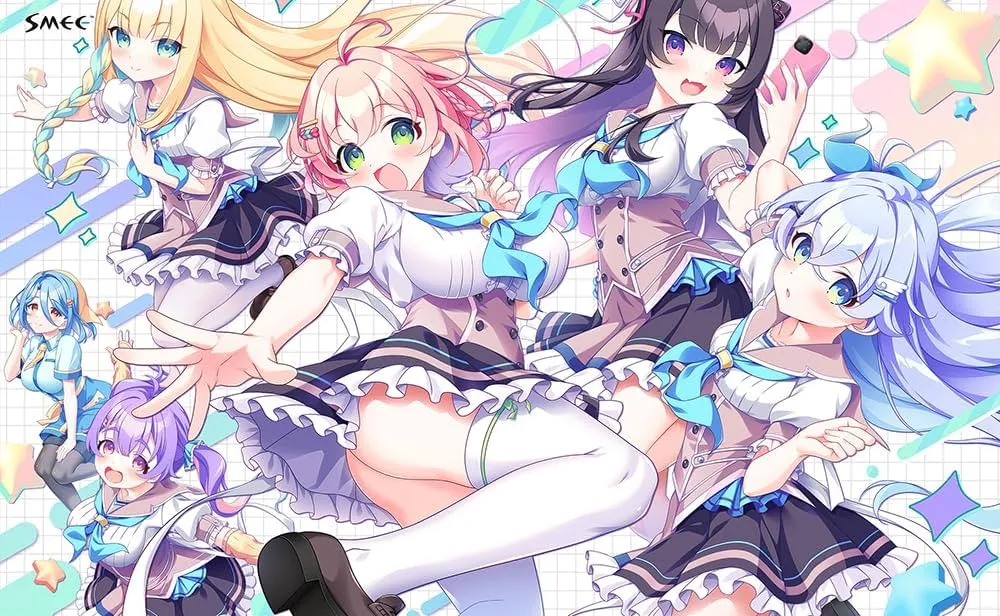 [Lovepical-Poppy!] Manage a dormitory and run a cafe, but it's not just a romance game! With over 20 girls, who you get close to is up to you! The brand's 15th-anniversary game, Lovepical-Poppy!, is now on Switch!2026-02-15 Saori
-
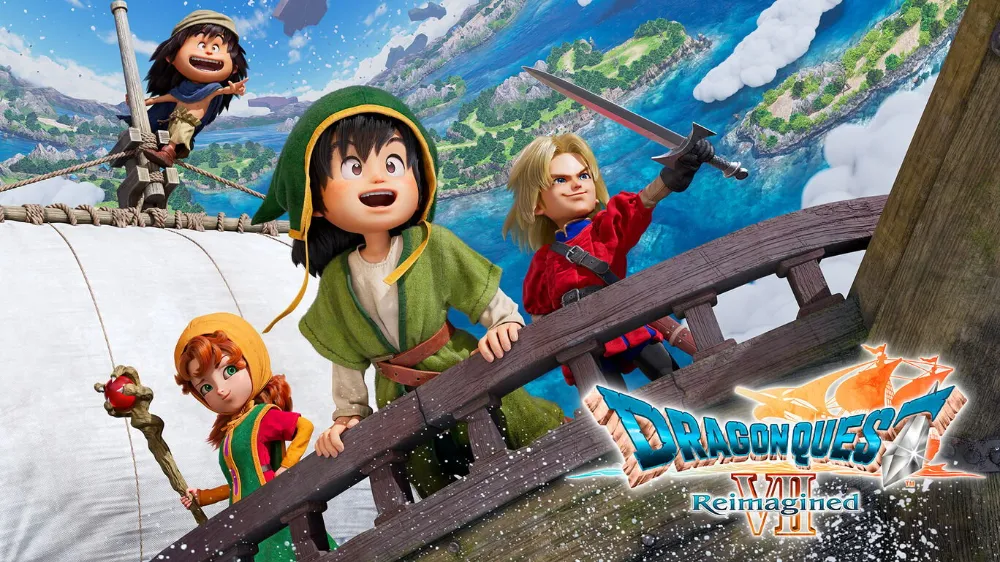 [ DRAGON QUEST VII ] Releasing on Feb 5th, DRAGON QUEST VII is being ”Reimagined” for the first time in 26 years! Here are the new elements that both newcomers and returning fans will enjoy!2026-02-06 Saori
-
 [Japanese Style x Roguelike] Splendid and Packed with Content! Fully Enjoy a Fantasy x Japanese World Through a Story Told from the Perspectives of Three Characters! Yasha: Legends of the Demon Blade is Now Available!2026-02-03 Saori
-
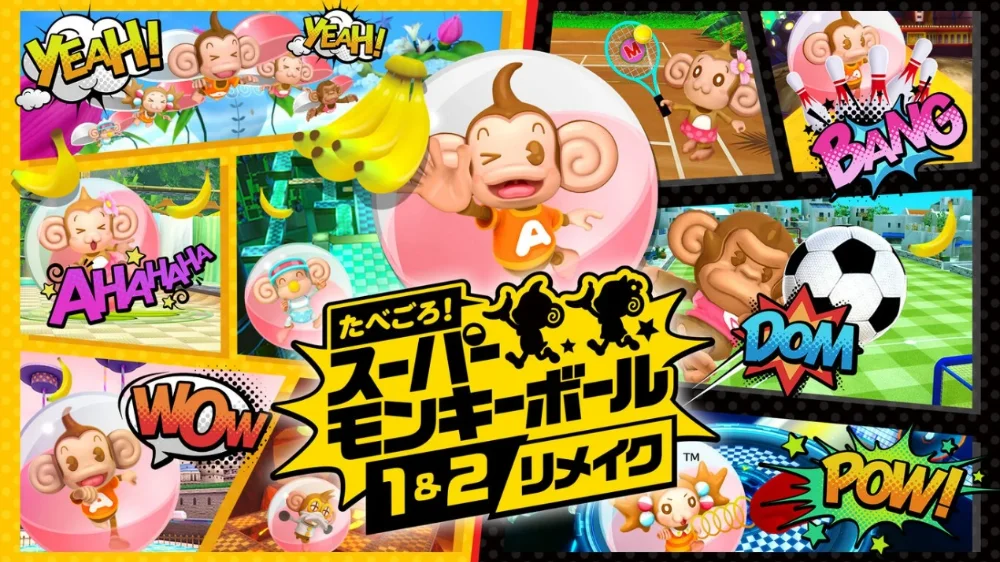 [Super Monkey Ball] 20 years of history packed into 300 levels! Packed with party games everyone can enjoy together! Super Monkey Ball 1 & 2 Remake is now available!2026-02-01 Saori
-
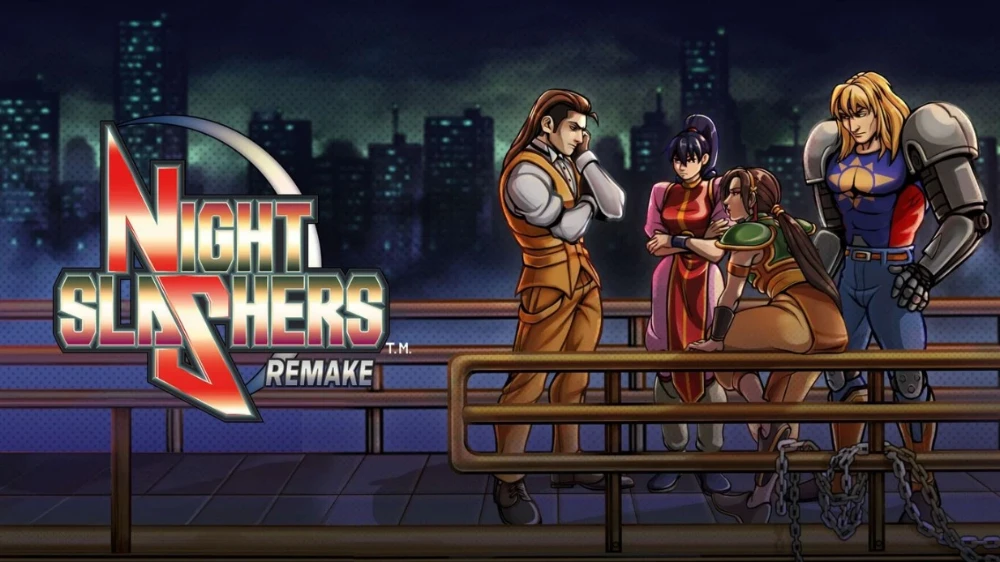 [Night Slashers] Speaking of masterpiece beat 'em up action games, this is it! The legendary game released in the 1990s is back, more playable and updated for modern standards! Night Slashers: Remake is now on sale!2026-01-31 Saori
Popular Articles
-
 【TECMO】The Predecessor of KOEI TECMO GAMES! A Company Known for Creating Masterpieces in a Wide Range of Genres, from Simulation to Horror to Fighting Games!2023-11-17 Saori
-
 【VICTRIX】 Now Expanding in Japan! Discover VICTRIX's Top Gaming Devices!2025-03-29 Saori
-
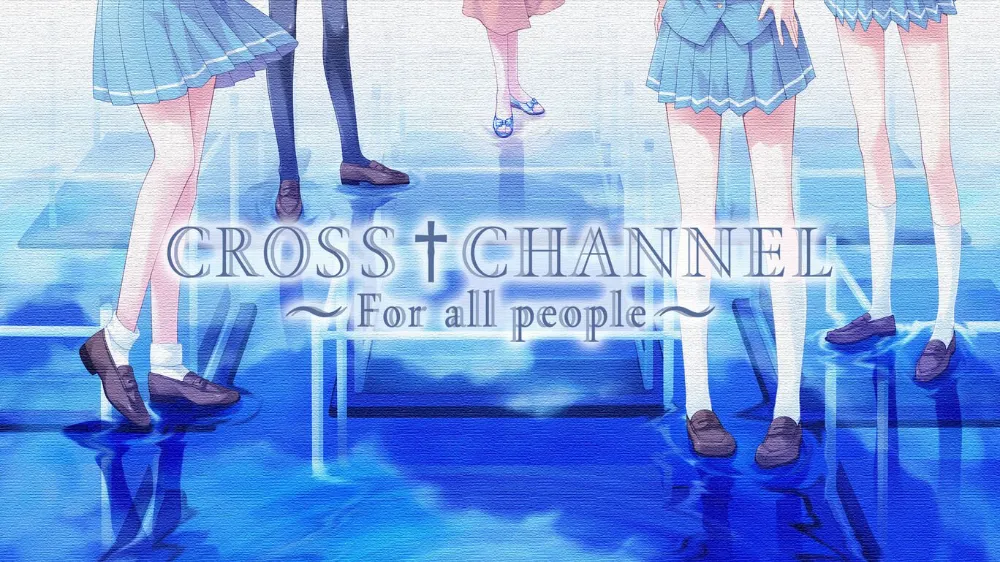 [School × Youth] Ported to Switch, Making It Playable for More People! What Kind of Game is “CROSS†CHANNEL,” Released as a PC Game in 2003 and Praised as a Masterpiece?2025-12-24 Saori
-
 【THQ Japan】A Once-Dissolved Game Company Revives as a Brand! What is THQ (Japan), Expanding Globally?2025-03-26 Saori
-
 【3A Company】A Highly Rated Domestic Device Manufacturer! Check Out Recommended Products from 3A Company!2025-03-30 Saori
-
 【TATSUJIN】Named After a Legendary Game! A Rising Game Developer Founded by Former Staff! What Kind of Company is TATSUJIN?2025-03-24 Saori