
【Tomodachi Life】 The first new entry in 13 years is finally released this week! What kind of game is Tomodachi Collection (Tomodachi Life)—the quirky, slightly strange, but incredibly fun experience?
【Tomodachi Life】 The first new entry in 13 years is finally released this week! What kind of game is Tomodachi Collection (Tomodachi Life)—the quirky, slightly strange, but incredibly fun experience?
2026-04-24
【Tomodachi Life】 The first new entry in 13 years
is finally released this week!
What kind of game is Tomodachi Collection (Tomodachi Life)
—the quirky, slightly strange, but incredibly fun experience?
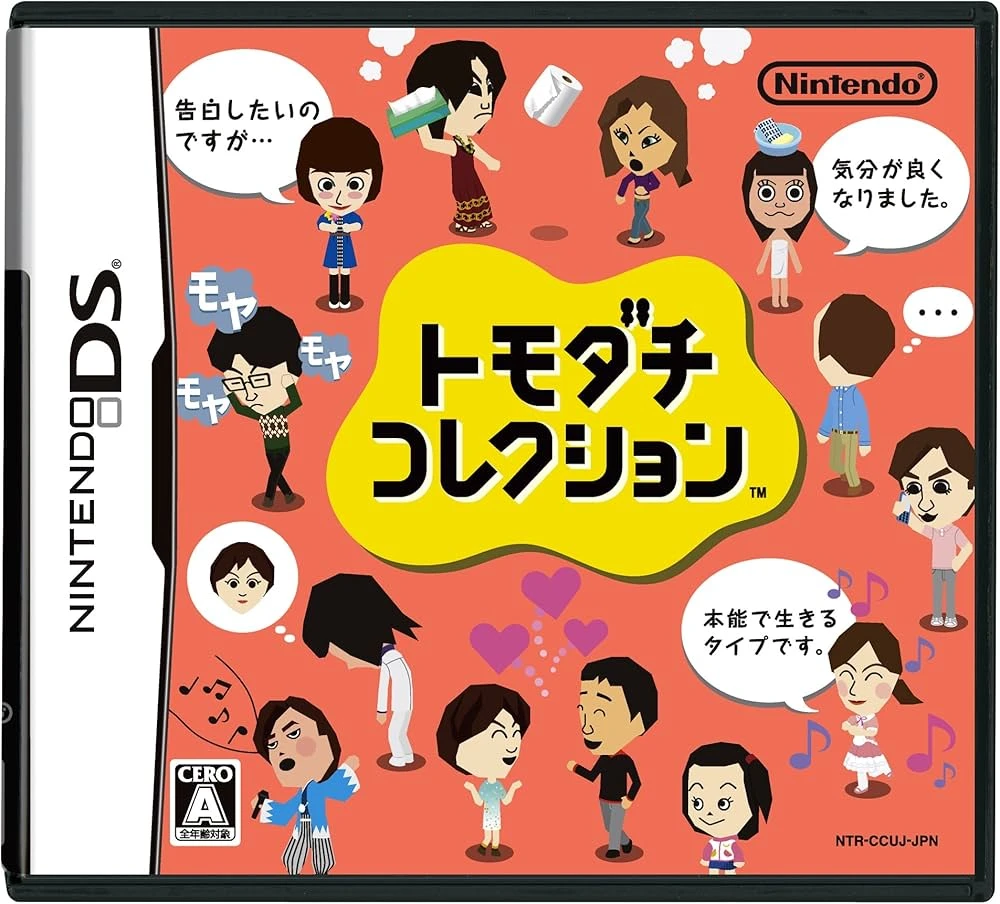
”What do you think would happen if you and your friends started living inside a game?” — This is exactly the kind of question that introduces the world of Tomodachi Collection. Released by Nintendo for the Nintendo DS on June 18, 2009, this title stands apart from typical ”goal-oriented” games. It offers a unique experience where you watch over Mii characters—modeled after yourself and people you know—as they live freely on a fictional island. When you start the game, you are greeted by a mysterious daily life that feels somewhat connected to reality yet distinctly different, making you feel as though you’ve become the manager of a tiny society.

The charm of this game lies in its depth, where you are free to ”do anything, or do nothing at all.” There are no clear goals like objectives or endings; you can focus on increasing the satisfaction of the Mii residents, immerse yourself in collecting items, or simply observe their lives in silence. This abundance of ”blank space” creates a completely different story for every player, leading to the sensation of building ”your own world.” Before you know it, you’ll find yourself opening the game as an extension of your daily routine—an addictive quality that slowly takes hold of you.
You can register up to 100 Miis, and most of them will likely be modeled after people you know in real life, such as family, friends, or someone you’re interested in. In other words, as time passes, the residents of the game become filled with ”people who are meaningful to you.” The experience of peeking in to see what they are doing in their rooms or what kind of troubles they have is something rarely found in other games. It’s characterized by the way it gently stirs your emotions—making you laugh as you think, ”I can’t believe they’re worried about that,” or making you naturally want to help out.
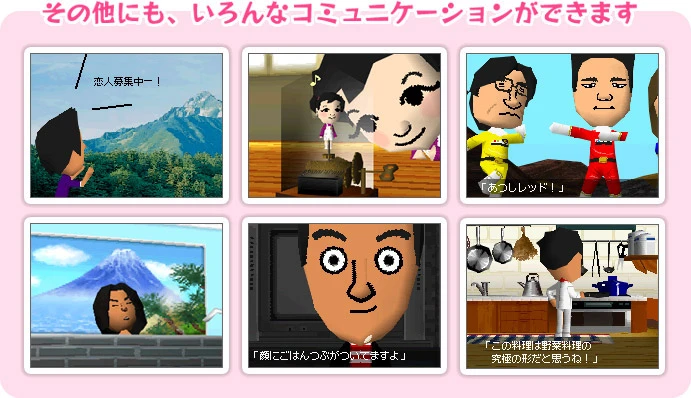
What’s even more interesting is the system where Miis participate in events randomly. Combinations and actions that could never happen in reality unfold as if they were perfectly normal. The unpredictability of thinking, ”I can't believe this person is doing that!” creates laughter and surprise, drawing you deeper into the game’s world. This element of chance is exactly what elevates Tomodachi Collection from a mere simulation to an ”unpredictable drama.”
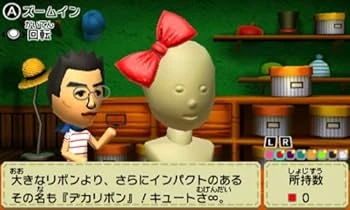
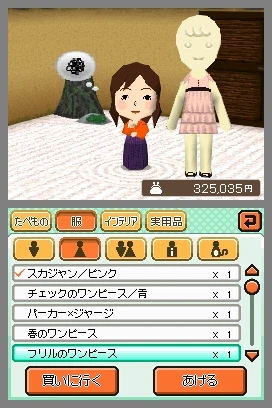
As the player, you are in a position to manage the food, clothing, and housing of the Miis, and they will come to rely on you immediately whenever something happens. That feeling of ”being relied upon” resonates warmly in the heart. Unlike real-life relationships, there is a sense of security in being useful to someone at a distance that doesn't become a burden, which is likely why you end up opening the game over and over. The experience of being depended on by characters modeled after loved ones is a bit embarrassing, yet it provides a certain sense of satisfaction.
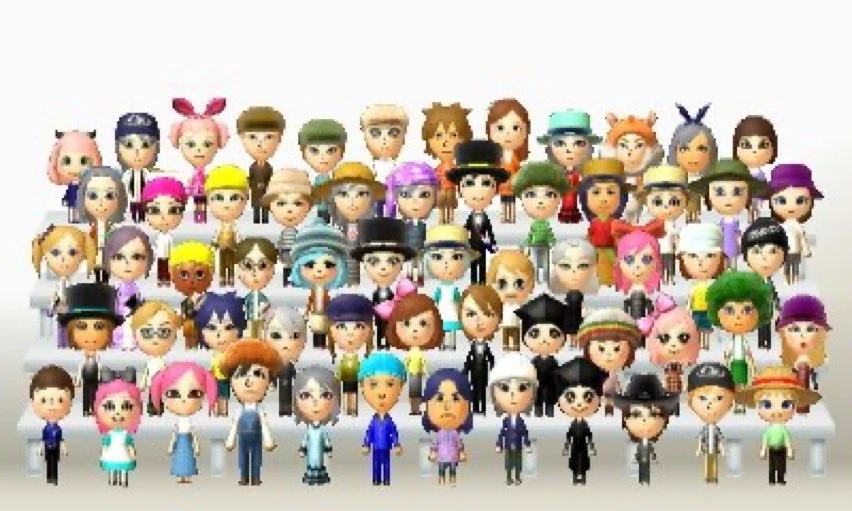
Tomodachi Collection doesn't have flashy action or competitive elements. However, that is exactly why it remains quietly and persistently in the player’s memory. Casual conversations, unexpected events, and small requests—each one piles up to eventually form ”your own unique memories.” In this work, which allows you to simulate human connections beyond the framework of a game, you can clearly feel the reason why it continues to be loved by so many people even today.

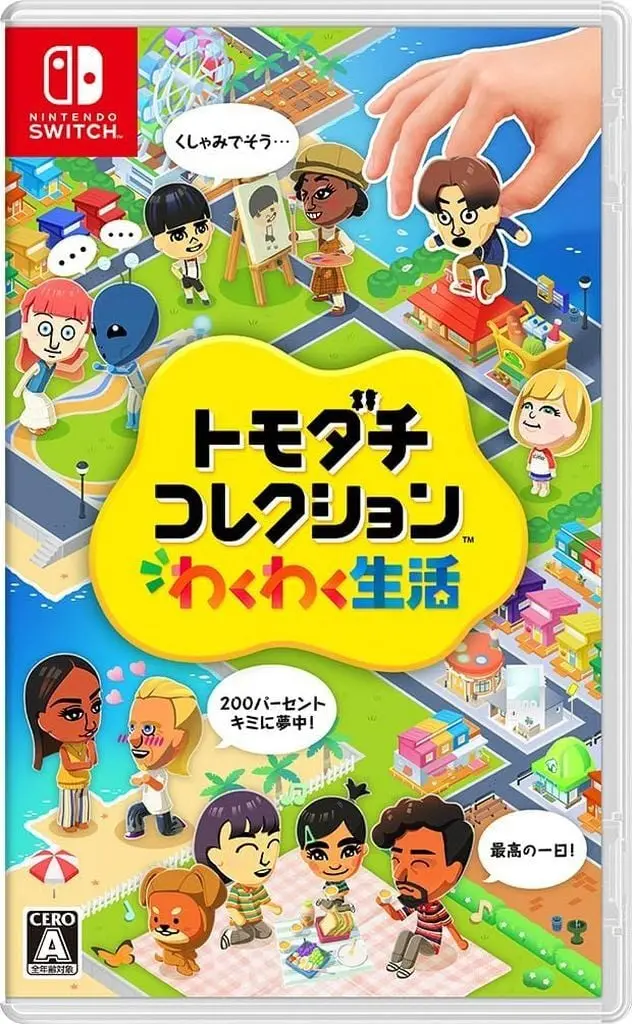
Tomodachi Collection
(Tomodachi Life)
(Tomodachi Life)
Related Articles
Popular Articles
-
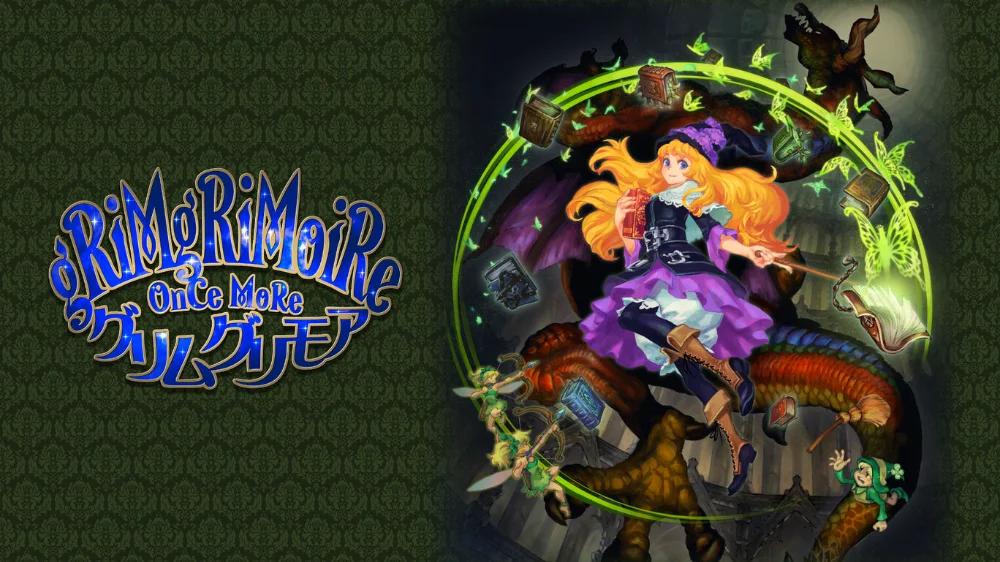 Magical fantasy RTS is revived beautifully! In addition to high resolution, new systems such as "Great Magic" with the power to turn the war situation around and a "Skill Tree" to strengthen familiars are added! GrimGrimoire OnceMore appears on Switch!2026-09-07 Saori
-
 [Epic Records Japan] Once collaborated with Nintendo to develop video games! What kind of titles did this now-inactive game division of Epic Records Japan release?2025-06-11 Saori
-
 [DESIRE] The legendary PC game arrives in a physical edition! DESIRE remaster ver. is now on sale, featuring not only new CGs but also improvements like shortcut buttons and one-touch controls to make the massive scenario easier to read!2026-03-25 Saori
-
 [TECHNICAL GROUP LABORATORY] Developing game software as part of its operations! Let's unravel the history of the long-established communications company, TECHNICAL GROUP LABORATORY!2026-04-10 Saori
-
 【3A Company】A Highly Rated Domestic Device Manufacturer! Check Out Recommended Products from 3A Company!2025-03-30 Saori
-
 【TATSUJIN】Named After a Legendary Game! A Rising Game Developer Founded by Former Staff! What Kind of Company is TATSUJIN?2025-03-24 Saori