
【Convenience Store Management x Human Drama】Precisely because it's the countryside, there is familiarity and mystery. Not ending as a mere convenience store management simulation, its gentle and somehow nostalgic worldview is its charm. Try becoming the s
【Convenience Store Management x Human Drama】Precisely because it's the countryside, there is familiarity and mystery. Not ending as a mere convenience store management simulation, its gentle and somehow nostalgic worldview is its charm. Try becoming the s
2026-07-01
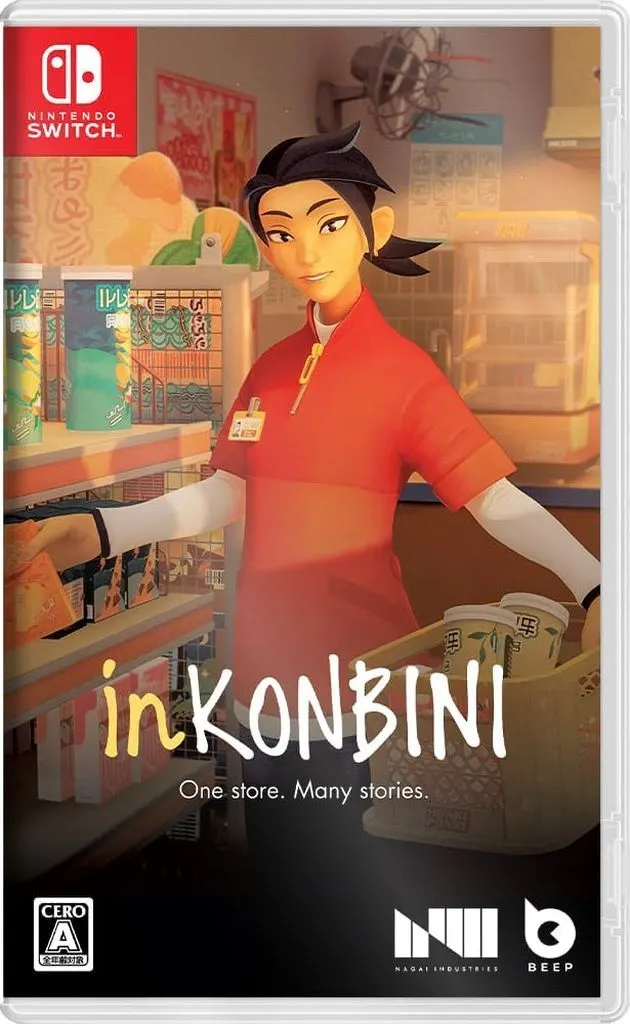
【Convenience Store Management x Human Drama】Precisely because it's the countryside, there is familiarity and mystery. Not ending as a mere convenience store management simulation, its gentle and somehow nostalgic worldview is its charm. Try becoming the store manager for one week yourself! inKONBINI: One Store. Many Stories is confirmed for release!
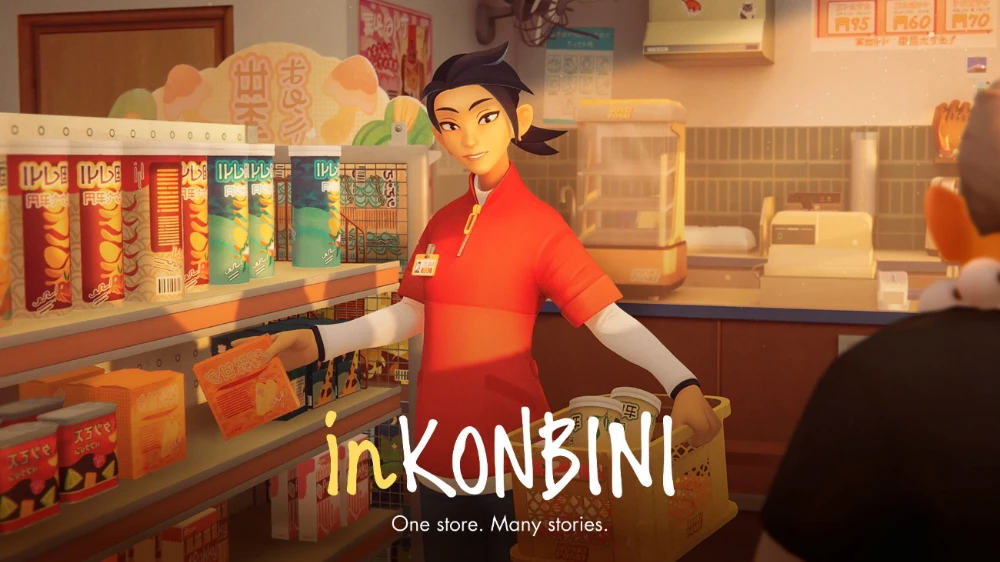
Speaking of game protagonists, many people might imagine a hero who saves the world or a legendary warrior. However, what the protagonist of “inKONBINI: One Store. Many Stories” faces is neither a demon king nor a monster, but a small convenience store visited by local people. When first learning of this setting, you might think, “Can that really become a story all on its own?” However, this work carefully teaches us that it is precisely within that casual daily life that dramas capable of moving people's hearts are hidden.
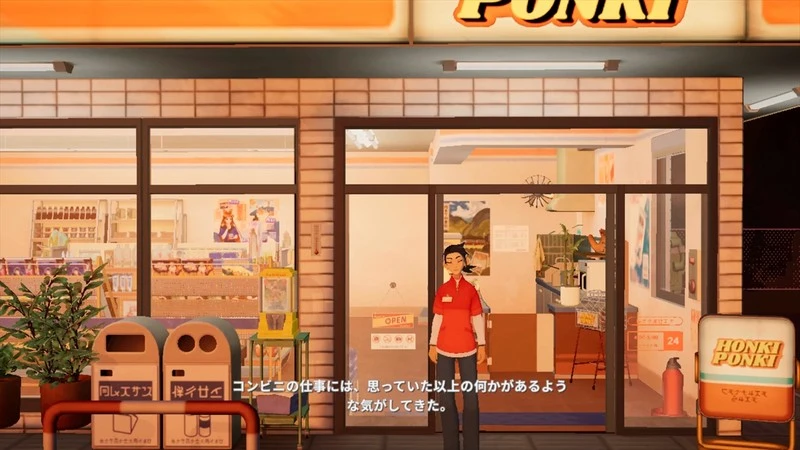
The stage is a rural town reminiscent of 1990s Japan. Scenery where time somehow flows slowly, an atmosphere where familiar faces naturally exchange greetings, and a convenience store akin to a small shop rooted in the community. While that atmosphere lacks flashiness, it is filled with a mysterious sense of security. Unlike massive urban stores, the daily lives of the local people gather at this shop. Functioning not merely as a place to shop, but as a spot to talk with someone, take a brief rest, or share updates on recent events. That warm air naturally draws the player into the world of the story. The protagonist ends up helping out at the convenience store managed by their aunt for just one week of summer vacation. This setting is truly exquisite. Because it is not a long period but a limited single week, each and every day begins to hold a special meaning. The protagonist, who initially had a mere part-time job mentality, gradually understands the value held by this place while interacting with the people gathering at the store. In the same way, the player's view toward the space of a convenience store will alter.
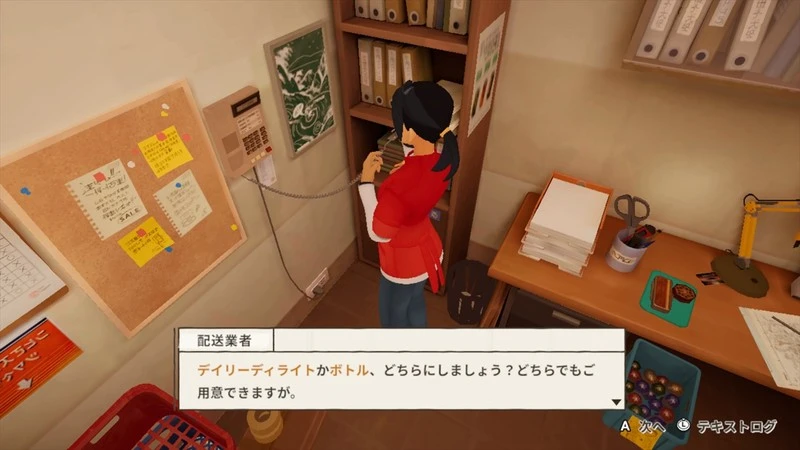
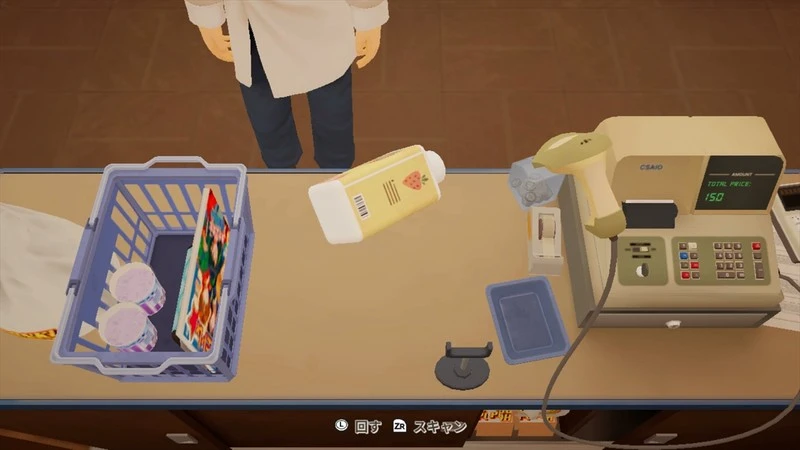
In this work, you can actually experience working as a convenience store clerk. Stocking products, checking inventory, ordering operations, cleaning, and cash register handling—at first glance, they are nothing but plain tasks. However, when actually playing it, you are made to realize that each job firmly holds a meaning. If products on the shelves decrease, you must replenish them, and it is also necessary to keep the inside of the store clean so customers can use it comfortably. You can truly feel that behind the scenes of the convenience stores used casually every day, far more effort than imagined is packed inside. Particularly in cash register operations, it is necessary to respond cautiously so as to not mistake the change, allowing you to taste a moderate sense of tension that is not simple repetitive work.
The reason why this work does not end as a mere job simulation lies within connections with people. The customers visiting the store harbor respectively different circumstances and worries. Some are reticent, while others are fond of chatting. A person who initially appeared to be just a regular customer might show an unexpected side as conversations pile up. Whether to strike up a conversation is up to the player, but that single word can generate a new relationship. Sometimes it becomes an opportunity to connect customers with each other, or sways someone's feelings in a positive direction. As these interactions accumulate, it is conveyed that the place called a convenience store is not a mere retail shop, but a base that links person to person.
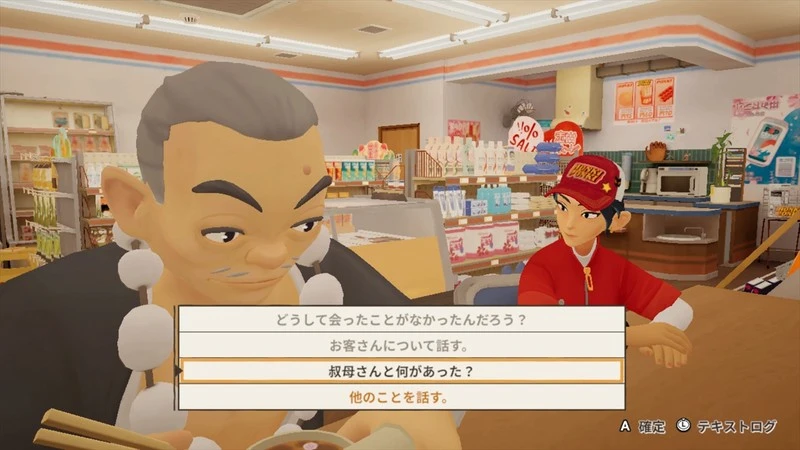
At the center of the story is the convenience store managed by Makoto's aunt. Why does the aunt keep running the shop all by herself? Inquiring into that reason is also one of the major highlights of this work. Behind the operations that look the same every day, there are sentiments accumulated over many years and bonds with the community. Alongside Makoto, the player comes to learn that answer bit by bit. Then, as the story proceeds, it becomes visible that this shop is not a mere place of business, but has become the memories and support for many people. In recent games, grand adventures and intense action exist in large numbers. However, “inKONBINI: One Store. Many Stories” moves the player's heart in a direction distinct from such stimuli. Someone comes to shop. Exchanging a brief conversation. Replenishing products on the shelves. Doing the cleaning. At first glance, they are nothing but mundane occurrences, but the point that their accumulation establishes itself as a story is highly charming. It can be described as a work that makes you once again feel the small kindnesses and connections with people present inside real life.
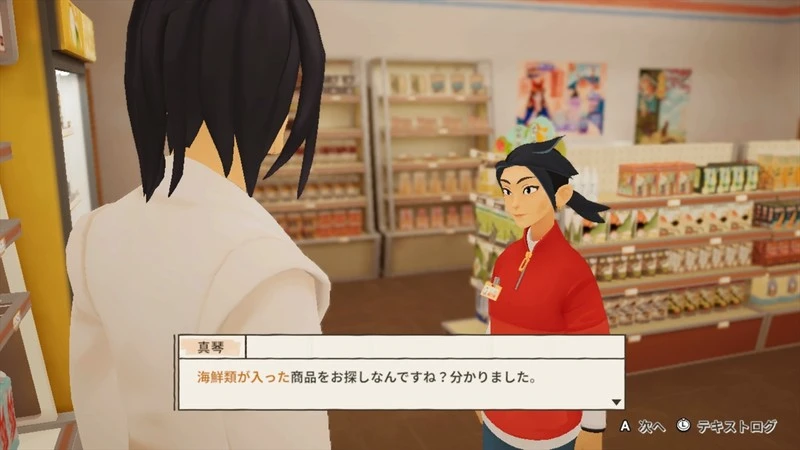
“inKONBINI: One Store. Many Stories” is a work that depicts relationships between people and the warmth of local communities through the experience of working as a convenience store clerk. Lining up products, doing the cleaning, and exchanging conversations with someone—all of it becomes a part of the story. Then, within the limited time of one week, not only the protagonist but the players themselves grow little by little. Even without relying on flashy staging, works that move people's hearts can be made. This title quietly proves such a thing. I believe that the more a person is a bit tired from busy daily life, the more I want them to touch this special single week spent at this small convenience store.

inKONBINI
Related Articles

Popular Articles
-
 【3A Company】A Highly Rated Domestic Device Manufacturer! Check Out Recommended Products from 3A Company!2025-03-30 Saori
-
 【TATSUJIN】Named After a Legendary Game! A Rising Game Developer Founded by Former Staff! What Kind of Company is TATSUJIN?2025-03-24 Saori
-
 【THQ Japan】A Once-Dissolved Game Company Revives as a Brand! What is THQ (Japan), Expanding Globally?2025-03-26 Saori
-
 【VICTRIX】 Now Expanding in Japan! Discover VICTRIX's Top Gaming Devices!2025-03-29 Saori
-
 [TECHNICAL GROUP LABORATORY] Developing game software as part of its operations! Let's unravel the history of the long-established communications company, TECHNICAL GROUP LABORATORY!2026-04-10 Saori
-
 [DESIRE] The legendary PC game arrives in a physical edition! DESIRE remaster ver. is now on sale, featuring not only new CGs but also improvements like shortcut buttons and one-touch controls to make the massive scenario easier to read!2026-03-25 Saori