
【Family Computer】Released on July 15, 1983! Without this video game console, today's games would not exist. What is the history traversed by the Family Computer, which can truly be called the progenitor of gaming history?
【Family Computer】Released on July 15, 1983! Without this video game console, today's games would not exist. What is the history traversed by the Family Computer, which can truly be called the progenitor of gaming history?
2026-07-17
【Family Computer】 Released on July 15, 1983! Without this video game console, today's games would not exist. What is the history traversed by the Family Computer, which can truly be called the progenitor of gaming history?
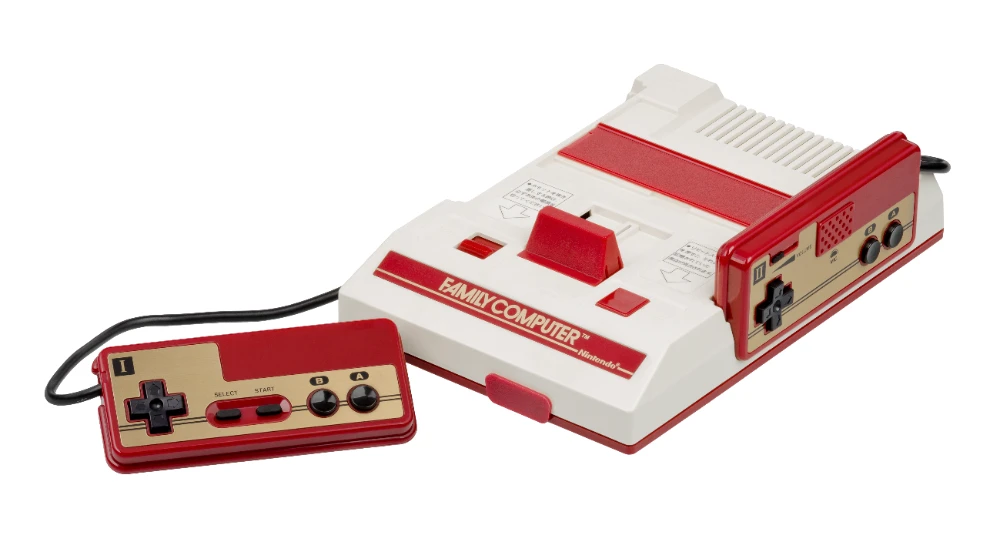
“Aren't older game consoles simple compared to modern ones?” The more people hold such an image, the more surprised they will be once they learn the history of the Family Computer. Born on July 15, 1983, this game console was not a mere plaything, but built the very new culture of enjoying games at home. Welcomed into many households right from its release, it was an existence that captivated not only children but adults as well, boasting overwhelming name recognition to the point of being called “the definitive video game console.” Considering that it achieved massive success not only in Japan but also overseas, leaving a immense footprint on gaming culture worldwide, its presence has never faded even today.
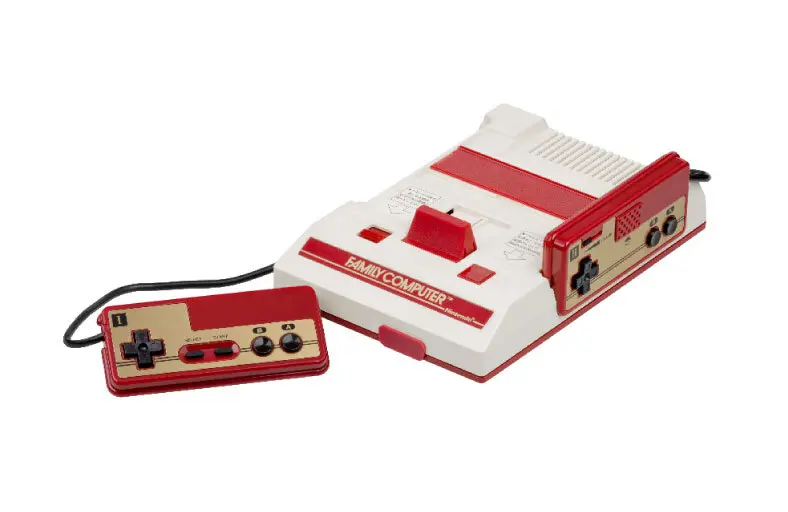
The moment you picture the console itself, don't many people have the combination of white and dark red pop into mind? A design so memorable remains etched in the memories of many people even now, long after its release. A game console's appearance becomes part of one's memories alongside its performance, and the Famicom is a prime example of this. Its unique coloring, distinct from the later-released AV Famicom (NEW Family Computer), radiated a special presence just by being placed in a room. It is a convincing charm that some people say, “Just seeing this color brings back my childhood.”
The control methods of game consoles that are taken for granted today—it is no exaggeration to say that it was the Famicom that laid their foundation. Back then, game consoles adopting joysticks were not uncommon, but the Famicom adopted an easy-to-understand layout consisting of a Directional Pad and A/B buttons. This simplicity dramatically improved playability, realizing an environment where anyone from young children to adults could play intuitively. Furthermore, this layout was subsequently inherited by various game consoles, becoming a standard that connects directly to modern game controllers. Appearing at first glance to be a modest change, it was actually an invention that vastly rewrote gaming history.
The fun of the Famicom is not completed by the console alone. The mechanism of leaping into a completely different world simply by swapping cartridges was extremely groundbreaking for its time. And that mechanism expanded all the way to interactions among friends. Conversations arose naturally—“I have a fun game, so I'll lend it to you,” or “Try playing this one next”—making borrowing and lending game software a scene of daily life. While digital downloads are the mainstream today, it feels as though the era of swapping cartridges by hand carried a warmth where one could enjoy human connections alongside the games.
The tactile feel when inserting a cartridge and the unique motion of pushing it up slowly with the eject lever are points that will bring a smile to anyone who knows those days. The console was also equipped with a power switch and a reset button, and many people surely retain memories of pressing the reset button countless times in particular. From getting a Game Over and starting a new attempt to accidentally pressing it and returning to the title screen, every instance remains in the heart as a memory unique to the Famicom. Even though they are mechanical operations, the fact that emotions mysteriously revive alongside them is what makes this game console so fascinating.
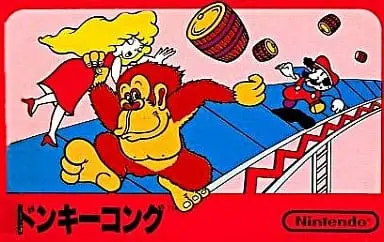
At launch, it started with just three titles—“Donkey Kong,” “Donkey Kong Jr.,” and “Popeye”—but its subsequent trajectory was truly the stuff of legends. “Super Mario Bros.” became a social phenomenon, “Dragon Quest” widely popularized the RPG genre, and “Final Fantasy” delivered the charm of epic narratives; indispensable titles in discussing gaming history appeared one after another. Considering that countless masterpieces were born from a single game console, the Famicom transcended the framework of a machine for playing games, serving as the stage for a new form of entertainment.
Even after the release of official software ended, the Famicom's popularity did not wane. As proof, the Nintendo Classic Mini: Family Computer, which appeared as a reissue in 2016, became a huge topic of conversation, heightening attention toward retro games once more. That is precisely because it possesses a universal charm—“it's fun even if you play it today”—rather than mere nostalgia. The evolution of gaming never stops, but its origin undeniably lies with the Famicom. Passed down across generations and continuously supporting the memories of many people, this single console will surely continue to be loved as a symbol of gaming history into the future.
People who still own an operational, working console are quite rare!
Speaking of famous Family Computer software, these are the ones!
Super Mario series
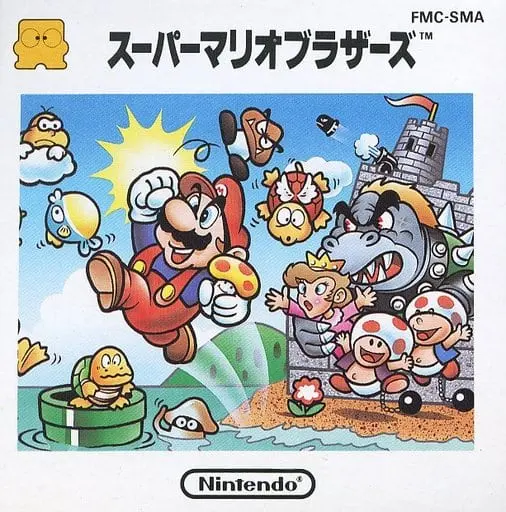
DRAGON QUEST Series
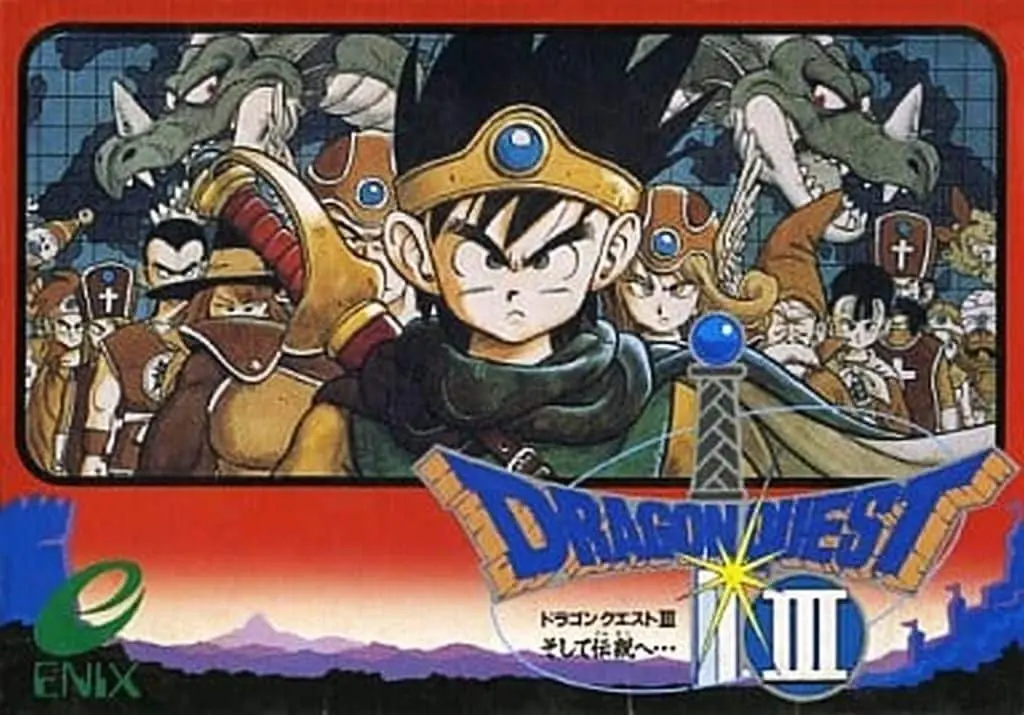
Family Stadium
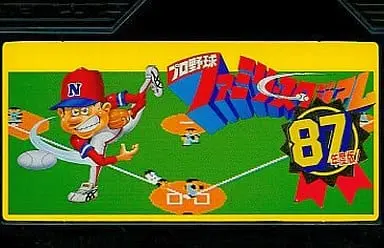
Donkey Kong Series
 Family Computer
▸
Related Articles
Popular Articles
-
 [TECHNICAL GROUP LABORATORY] Developing game software as part of its operations! Let's unravel the history of the long-established communications company, TECHNICAL GROUP LABORATORY!2026-04-10 Saori
-
 [DESIRE] The legendary PC game arrives in a physical edition! DESIRE remaster ver. is now on sale, featuring not only new CGs but also improvements like shortcut buttons and one-touch controls to make the massive scenario easier to read!2026-03-25 Saori
-
 【VICTRIX】 Now Expanding in Japan! Discover VICTRIX's Top Gaming Devices!2025-03-29 Saori
-
 【THQ Japan】A Once-Dissolved Game Company Revives as a Brand! What is THQ (Japan), Expanding Globally?2025-03-26 Saori
-
 【3A Company】A Highly Rated Domestic Device Manufacturer! Check Out Recommended Products from 3A Company!2025-03-30 Saori
-
 【TATSUJIN】Named After a Legendary Game! A Rising Game Developer Founded by Former Staff! What Kind of Company is TATSUJIN?2025-03-24 Saori