
【Arc System Works】The worse you are, the stronger you get?! Blast through the world of a new-sensation SRPG with an outrageous combat system that relentlessly sacrifices your allies! The pop world becomes addictive! Demons' Night Fever release decided!
【Arc System Works】The worse you are, the stronger you get?! Blast through the world of a new-sensation SRPG with an outrageous combat system that relentlessly sacrifices your allies! The pop world becomes addictive! Demons' Night Fever release decided!
2026-08-15
【Arc System Works】The worse you are, the stronger you get!? Blast through the world of a new-sensation SRPG with an outrageous combat system that relentlessly sacrifices your allies! The pop world becomes addictive! Demons' Night Fever release decided!
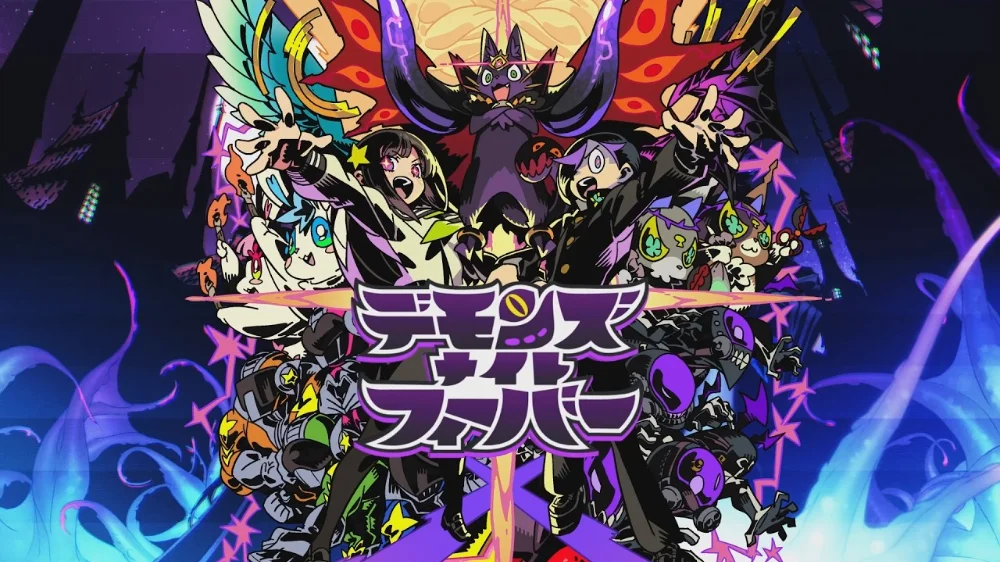
“Is it another game where you become a hero and save the world?” — If you start Demons' Night Fever with such expectations, you might lose your sense of direction immediately. After all, the path players tread in this work is not the path of justice, but the proud path of “evil”. The stage is another Earth, different from the world we live in. Reigning there was Gigasugoides, the strongest and worst evil god. He was a terrifying entity who was just one step away from accomplishing god-slaying, but one day suddenly, for some reason, he turns into a baby. “What, a baby even though he's an evil god?” you might think. However, as if he had anticipated even this situation, he activates Demons' Night Fever, an evil god resurrection program he had been developing all night. Swept up in that suspicious ritual was Kyoshiro Jaryuin, an unimpressive young man who intensely hates the world. An evil god turned into a baby, and a young man harboring a grudge against the world. These strangely intense two join hands for their respective purposes and set out to shatter the false gods. Precisely because it is a story starting from a position opposite to classic heroic tales, it is a work that makes you hold expectations from the opening, wondering “What on earth are they going to pull off next?”.

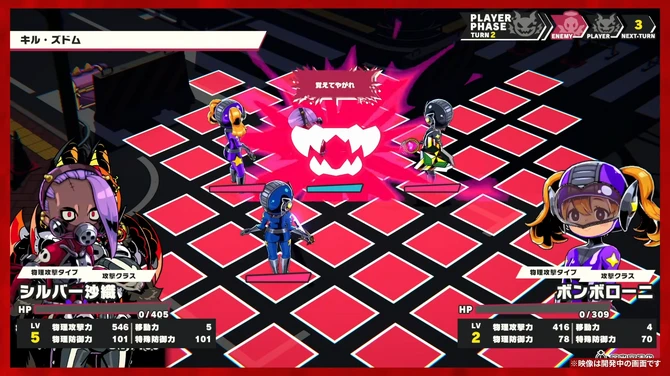
“If it's a simulation RPG, let's carefully raise our allies and aim for everyone's survival!” — Normally you would think so, but in this game, it seems better to set that kindness aside for a moment. The basics of combat follow a classic style of moving units on a grid-based field, but the biggest featured system installed is the “Servant Overwork System”. A sweatshop scent already drifts from the name alone, but its content is more outrageous than imagined. It is a bold mechanism where you can sacrifice allied “servants” during battle and use that as a tactic, even featuring “Kill Skills” that detonate minions yourself and “Sacrifices”. While you want to retort, “No no, what are you doing defeating your allies!”, that is precisely the aim of this work. Whether to preserve servants, or sacrifice them in critical moments to break through. Because actions that general SRPGs would want to avoid turn into effective options, players are required to think completely differently from usual. The point that while adopting classic grid-based battles, it dynamically flipped only those common senses upside down is truly unique.
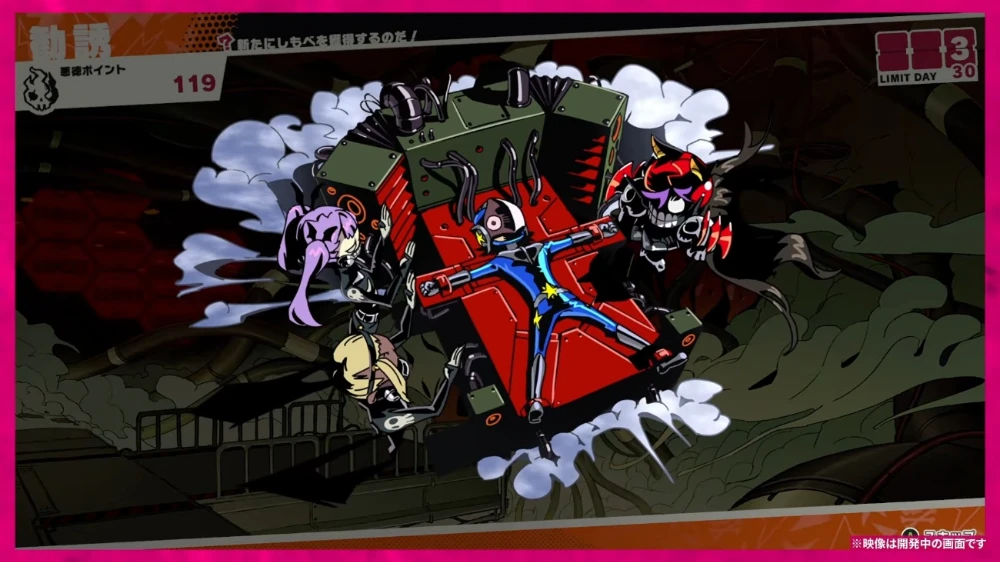
“If you commit that much evil, won't you surely be punished?” — No, in this work, a reward actually awaits. By utilizing “Vice Points” obtained through evil deeds, you can strengthen characters and build your very own atrociously villainous army. In other words, it is a delightfully straightforward growth system where the more like a villain you behave, the more your military strength is enriched, allowing you to advance through the game advantageously. At the hideout serving as your base, you prepare your forces using limited time to conduct suspicious “recruitment” or go on “treasure hunts”. Since you can devise development policies based on what you spend points and time on, it isn't just raising prepared abilities in order. There is the fun of gradually finishing an army to your liking while thinking “Who to train in preparation for the next battle?” and “Which action to prioritize?”. Executing heartless tactics on the battlefield, turning the results of evil deeds into development, and heading to the next battle even stronger. The point that this series of flows itself connects to the feeling of “leading an army of evil” is where it's interesting.
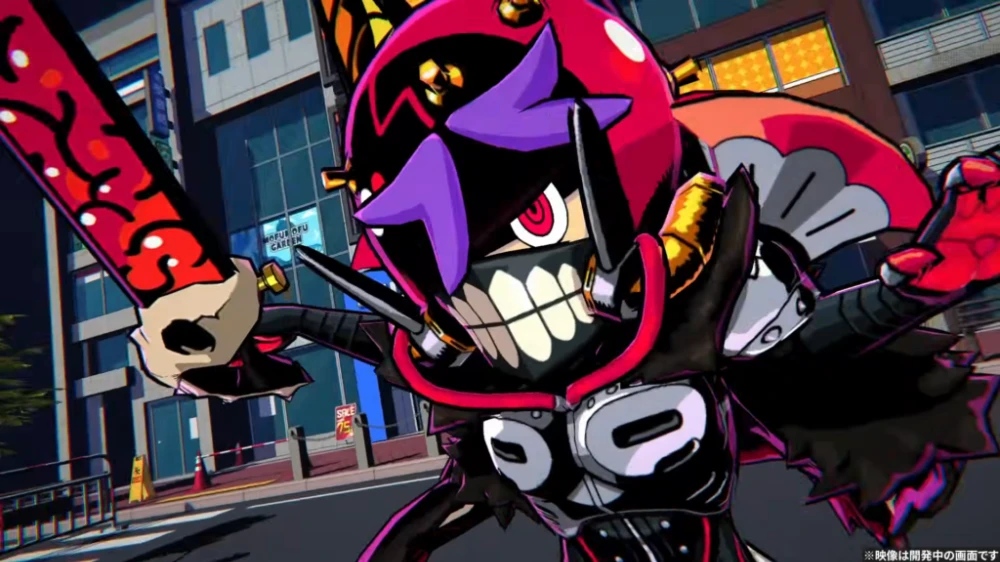
And the world of Demons' Night Fever does not end with just a single atmosphere. If you thought, “Will the story of the evil god running amok continue until the end?”, it dashes off into even more unexpected directions from there. Every time you defeat the boss of each chapter, the situation changes greatly, and players experience the villain side in various forms. For instance, becoming a monster to defeat Sentai heroes, or becoming a witch to beat up magical girls, existences on the side of justice that you would normally control as protagonists appear as enemies. Anything-goes developments await, like “Today I was defeating heroes of justice as a monster, but next time I fight as a witch?”. Through this structure, freshness is born every time a chapter changes, becoming a mechanism that makes you want to proceed further, wondering “What kind of world will I be forced to do what kind of evil deeds in next?”. The idea of daring to make players view familiar themes like heroes and magical girls from the opposite perspective is also a charm unique to this work.
Hearing up to this point, some people might think, “Isn't it an extremely cruel and dark work?”. However, looking closely at the settings, this work possesses a radical humor distinct from mere gloominess. The strongest and worst evil god turning into a baby, that person himself making a resurrection program all night, overworking allies becoming an official combat system—anyway, the ideas are completely maxed out. What is particularly impressive is the point that it doesn't end the setting of “a villain as the protagonist” only in the story. Battles that sacrifice servants, development via Vice Points, stories fighting the side of justice as monsters and witches, and various other elements constituting the game connect to the theme of “evil”. Therefore, players do not just gaze at the story, but can choose outrageous tactics by their own judgment, enjoying the villain experience itself while strengthening the army.
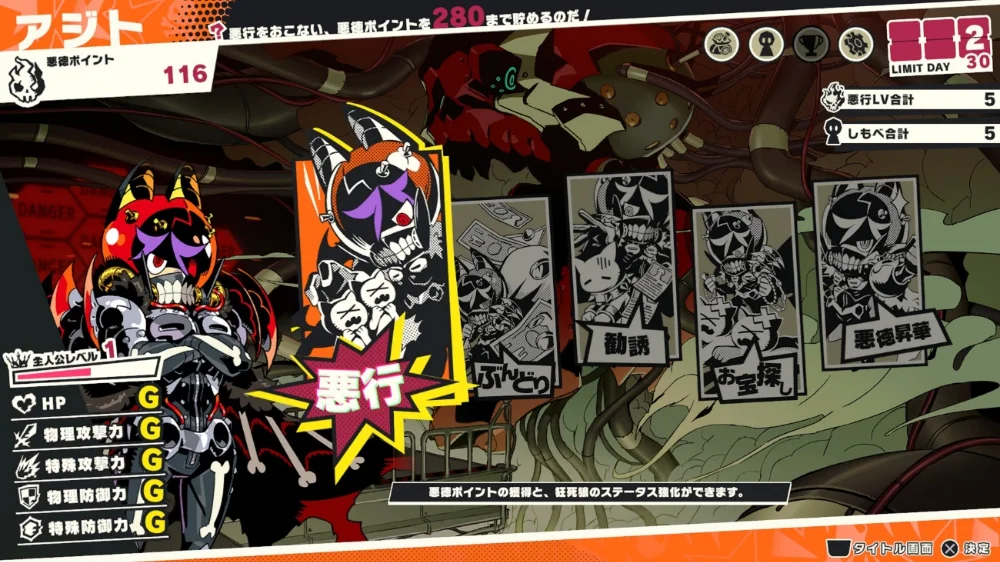
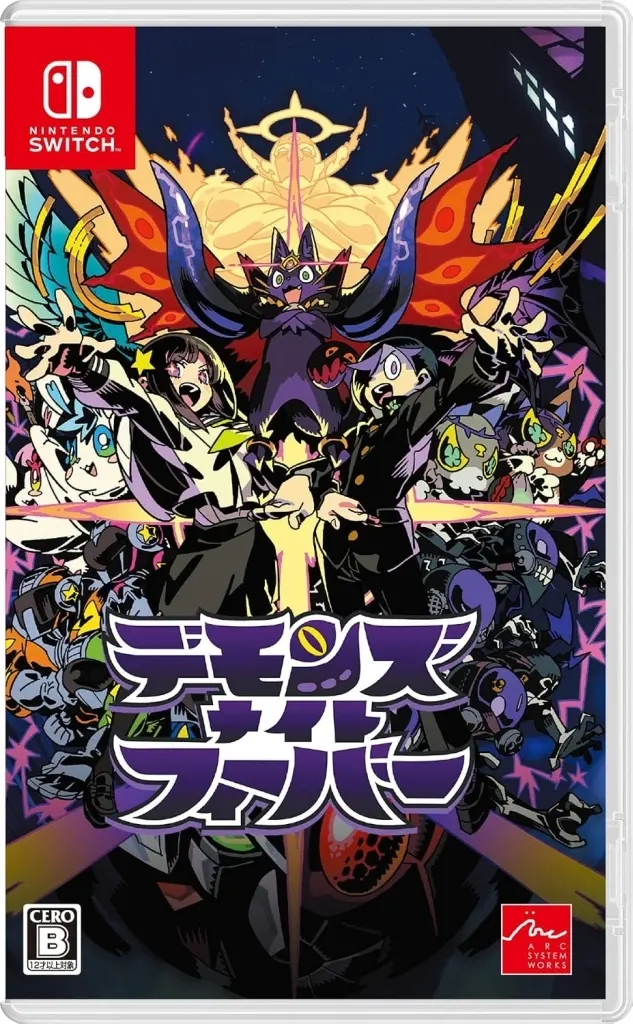
Summarizing the charm of Demons' Night Fever, it lies in boldly flipping those conventions upside down from a villain's perspective while using a classic simulation RPG as the foundation. Allies are existences to be protected? — If necessary, we sacrifice them. Heroes of justice are allies? — This time they are opponents to be defeated. If you commit evil deeds, you get punished? — Rather, you get stronger. Precisely because it reverses values that would be taken for granted in ordinary games one after another and incorporates them into combat, development, and story, an intense individuality is born. For people who feel “I've played enough stories saving the world as a hero of justice”, it seems to become a quite stimulating title. A bizarre tale of “evil” unfolded by the baby evil god Gigasugoides and Kyoshiro Jaryuin. What awaits beyond that is not the glory of a hero, but the path to the most vicious army built through evil deeds and sacrifices. Now then, let's forget about justice for the moment, and have the servants work... to their hearts' content.
Demons' Night Fever
Popular Articles
-
 【TECMO】The Predecessor of KOEI TECMO GAMES! A Company Known for Creating Masterpieces in a Wide Range of Genres, from Simulation to Horror to Fighting Games!2023-11-17 Saori
-
 【THQ Japan】A Once-Dissolved Game Company Revives as a Brand! What is THQ (Japan), Expanding Globally?2025-03-26 Saori
-
 【VICTRIX】 Now Expanding in Japan! Discover VICTRIX's Top Gaming Devices!2025-03-29 Saori
-
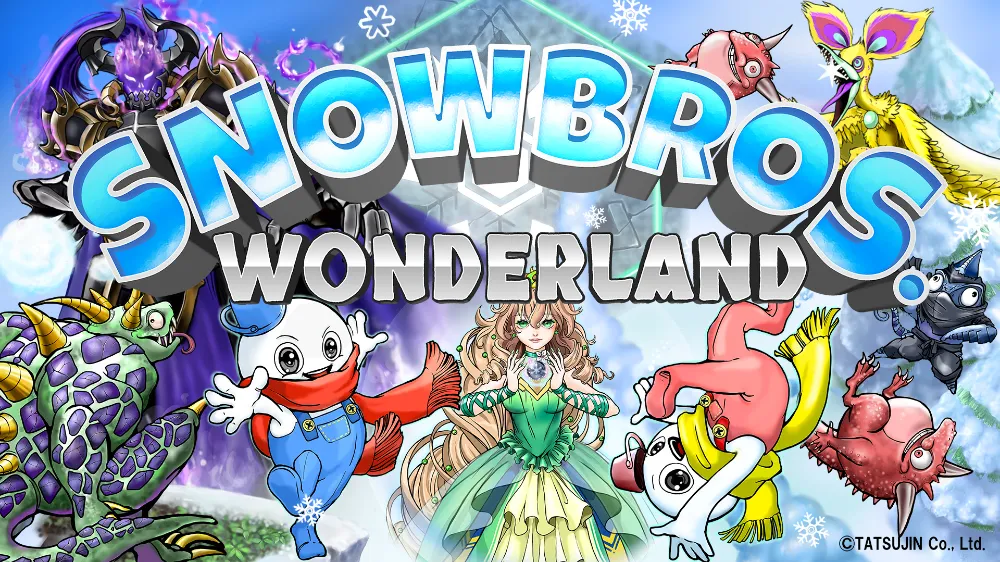 【TATSUJIN】Named After a Legendary Game! A Rising Game Developer Founded by Former Staff! What Kind of Company is TATSUJIN?2025-03-24 Saori
-
 【3A Company】A Highly Rated Domestic Device Manufacturer! Check Out Recommended Products from 3A Company!2025-03-30 Saori
-
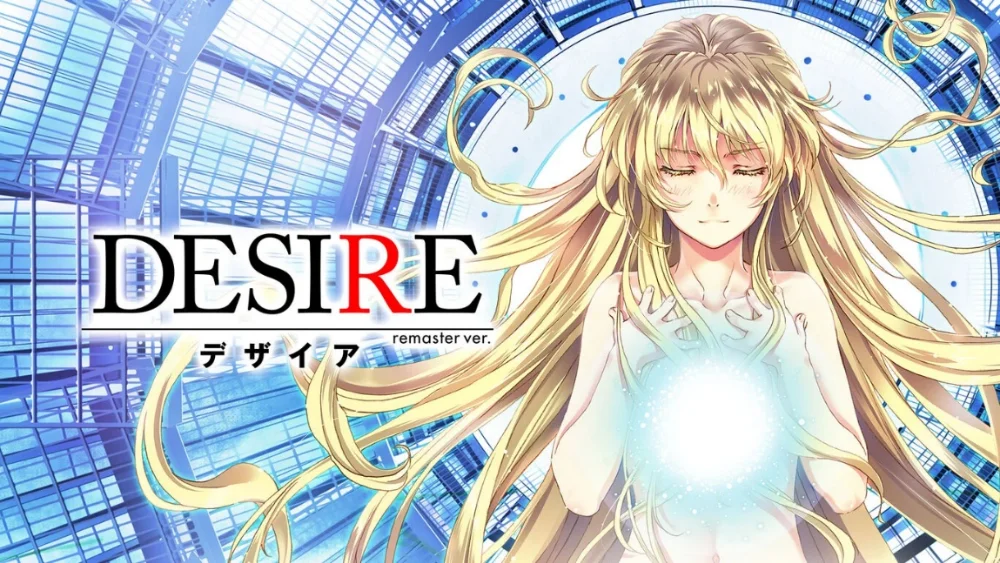 [DESIRE] The legendary PC game arrives in a physical edition! DESIRE remaster ver. is now on sale, featuring not only new CGs but also improvements like shortcut buttons and one-touch controls to make the massive scenario easier to read!2026-03-25 Saori