
【SUPER Famicom】 Released on November 21, 1990! Wouldn't many people's gamer lives have started from here? Having flavor precisely because it is retro, here is the history of SUPER Famicom and software still popular today!
【SUPER Famicom】 Released on November 21, 1990! Wouldn't many people's gamer lives have started from here? Having flavor precisely because it is retro, here is the history of SUPER Famicom and software still popular today!
2026-11-20
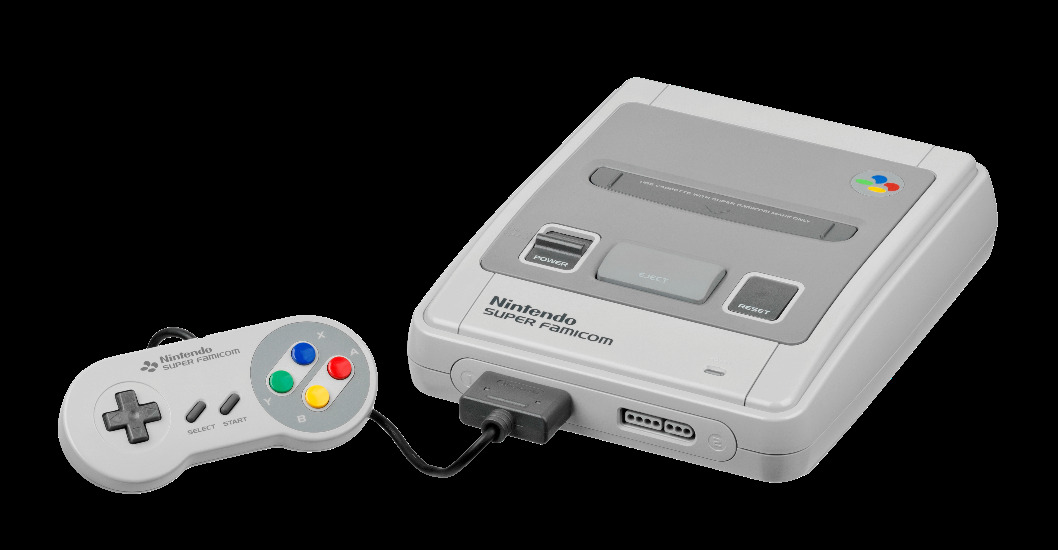
If you like games, you have heard of “Super Famicom” at least once. Commonly familiarized as “Sufami,” this game console was released by Nintendo on November 21, 1990. Partly because it was the successor to the massively popular Family Computer, it was an existence gathering expectations even before its appearance. What became a particular topic was the processing capability evolved from conventional 8-bit to 16-bit. Back then, just the word “16-bit” alone made one feel somehow like a game console of the future was arriving. Nowadays we enjoy beautiful visuals as a matter of course, but for children of those days, wasn't Super Famicom truly an entrance to a new world of play?
The long-awaited new hardware that appeared after overcoming release delays!
Actually, Super Famicom was not scheduled for release in 1990 from the beginning. Originally, it was planned to appear in July 1989, but was postponed due to influences such as semiconductor shortages. Even during that time, new products related to Mega Drive and PC Engine were enlivening the game market, and competition in home game consoles was becoming increasingly active. Precisely because of such a situation, many people must have expanded their imaginations about what kind of surprises Nintendo's next-generation console would deliver. To the extent one was made to wait long until release, the joy at the moment of actually holding the main unit in hand must surely have been exceptional.
A design capable of utilizing Famicom peripherals!
The set contents of Super Famicom at the time of release had a simple composition of the main unit and 2 controllers. Surprisingly, an AC adapter and cables for TV connection were not included. You might think, “Then wouldn't you be unable to play right away?” but actually it was made into a mechanism where the AC adapter and RF switch used on the Famicom could be reused. Furthermore, it also supported separately sold stereo AV cables and S-video cables, featuring the ability to choose ways of enjoying video and audio matching the connection environment. In being able to utilize conventional equipment despite being a new game console, ingenuity unique to those days is felt, isn't it?
When speaking of Super Famicom's technical charm, screen scaling, shrinking, and rotation functions cannot be left out. Although it is a presentation not unusual by today's sensibilities, expressing it smoothly on home game consoles of those days was not easy. Amidst that, Super Famicom realized unprecedented power by boldly moving backgrounds. Representative ones are “F-ZERO” and “Pilotwings.” The sensation of dashing through courses at high speed and the sense of realism as if flying around the sky made one excited merely by looking at the screen. That game worlds that had been flat felt as though they suddenly gained depth can also be called an evolution unique to this hardware.
Not only visuals, musical expressive power also improved greatly. Super Famicom supported simultaneous playback of up to 8 channels, becoming able to enjoy rich tones and profound musical pieces. For example, the grand sound of “ActRaiser” strongly impressed the possibilities of game music. Also, in “Final Fantasy IV” and “Final Fantasy V,” beautiful melodies deepen the emotion of adventure even further. Turning on the power not to advance the game, but because you want to listen to favorite songs. Music itself held charm to the extent that such ways of enjoying were possible.
Super Famicom's controller also gave a major influence on game history. X, Y, L, and R buttons, which were not on the Famicom, were added, becoming able to support more complex operations. Particularly, the L and R buttons arranged on the upper part of the controller were groundbreaking, spreading a style of operating using not only thumbs, but index fingers as well. Furthermore, becoming able to detach the controller from the main unit was also a convenient point of change. Looking at the button layout familiar even on current game consoles, you are made to notice that the fundamental way of thinking has been inherited from this era.
Software prepared at launch was a mere 2 works: “Super Mario World” and “F-ZERO.” However, the lineup thereafter became surprisingly fulfilling. “Street Fighter II,” which spread the enthusiasm of competitive fighting games; “Chrono Trigger,” whose grand story is attractive; “Kamaitachi no Yoru,” where you can taste a unique tension; “Dragon Quest V: Hand of the Heavenly Bride,” depicting an adventure spanning three generations of parents and children; and “Mystery Dungeon 2: Shiren the Wanderer,” making you want to challenge any number of times—impressive works regardless of genre are gathered. That Super Famicom is still handed down today is likely not only because of high performance, but because numerous games one can become absorbed in were born.
Even after many years have passed since release, Super Famicom's presence does not fade. Progress in visual technology, rich sound, controllers pursuing operability, and numerous masterpiece software titles. All of those combined and greatly expanded the fun of home video games. For people who played back then, nostalgic memories revive, and for generations touching it for the first time, there should be discoveries connecting to current games. Slightly different from the latest games, why not savor once again the charm unique to the 16-bit era?
From here, game history entered its golden age! Here is Super Famicom software still purchasable today!

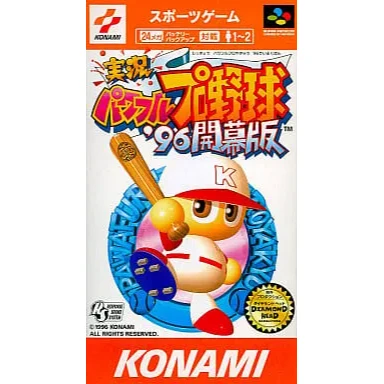
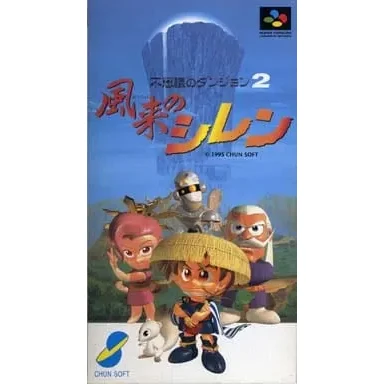
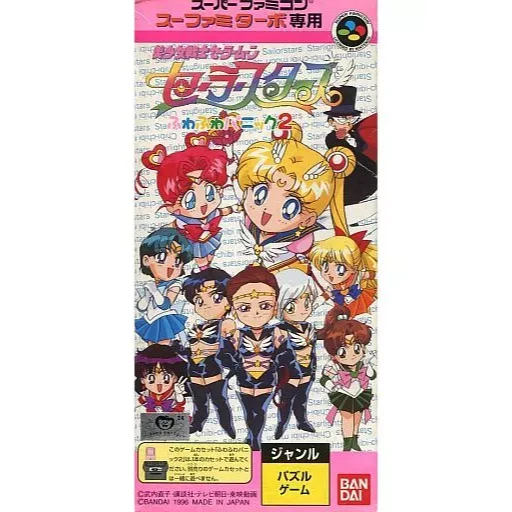
SUPER Famicom
▸
Related Articles
-
 [SUPER Famicom] Released on November 21, 1990! Looking back at the history and masterpieces created by the SUPER Famicom—a true divine artifact that dramatically enhanced the gaming experience while succeeding the Famicom!2025-11-21 Saori

-
 【SUPER Famicom】Save data often disappeared. But fun memories never fade! A parade of masterpieces was SUPER Famicom!!2023-08-25 Saori
Popular Articles
-
 【Otome Game】Featured new work! Connect all foreshadowing completely, and expose the “Truth” that the nation tried to hide! Crime suspense romance ADV Sin of Astraea starts accepting pre-orders!2026-11-11 Saori
-
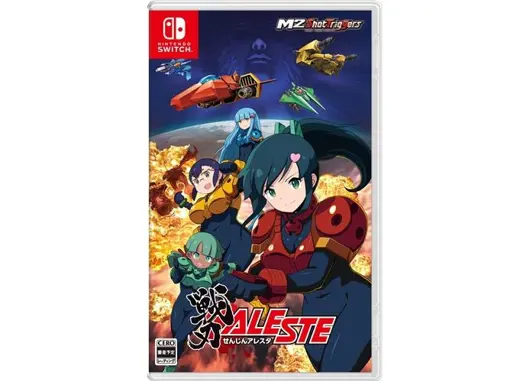 【Vertical Scrolling Shooting】An authentic scrolling shooting game born in 2020! Pre-orders have started for the popular shooting game Aleste, where you can enjoy a special version with arrangements, adjustments, and additional elements for home consoles!2026-11-08 Saori
-
 【Final Fantasy Series】A new journey, wishes, and... revenge. The series' first HD-2D work re-recorded for the Switch version! Final Fantasy Resonance, where various formidable enemies and hidden contents await you, release decided!2026-11-04 Saori
-
 【PC Engine】Released on October 30, 1987! What is the history of PC Engine, a stationary game console released by NEC Home Electronics that showed off cutting-edge visual beauty of those days!?2026-10-31 Saori
-
 【Yuuki Sakuna】Streaming mode and nurturing mode! Let's support Sakuna with 2 elements! Drawn with an original story, the growth story with Yuuki Sakuna, Sakunaverse release decided!2026-11-02 Saori
-
 【TATSUJIN】Named After a Legendary Game! A Rising Game Developer Founded by Former Staff! What Kind of Company is TATSUJIN?2025-03-24 Saori