
An Ambitious Work That Pioneers the “Kinetic Novel” Genre with No Choices! It Depicts a Mysterious Interaction with a Slightly Shy, Cool Classmate Through Cooking! Nekura na Classmate ga Ore no Ibukuro o Tsukande Hanashite Kurenai!
An Ambitious Work That Pioneers the “Kinetic Novel” Genre with No Choices! It Depicts a Mysterious Interaction with a Slightly Shy, Cool Classmate Through Cooking! Nekura na Classmate ga Ore no Ibukuro o Tsukande Hanashite Kurenai!
2025-10-11
An Ambitious Work That Pioneers the “Kinetic Novel” Genre with No Choices! It Depicts a Mysterious Interaction with a Slightly Shy, Cool Classmate Through Cooking! Nekura na Classmate ga Ore no Ibukuro o Tsukande Hanashite Kurenai!
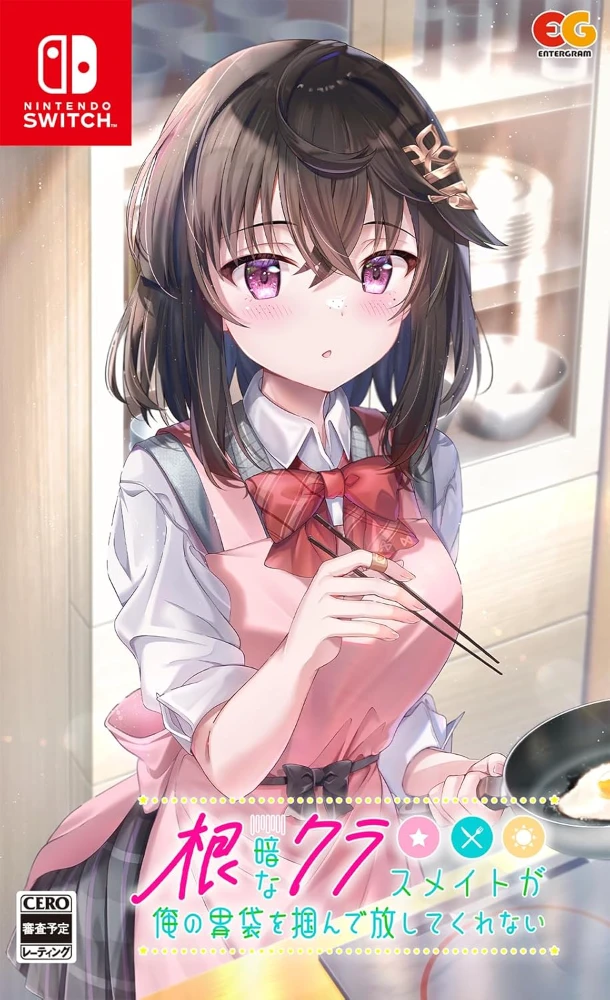
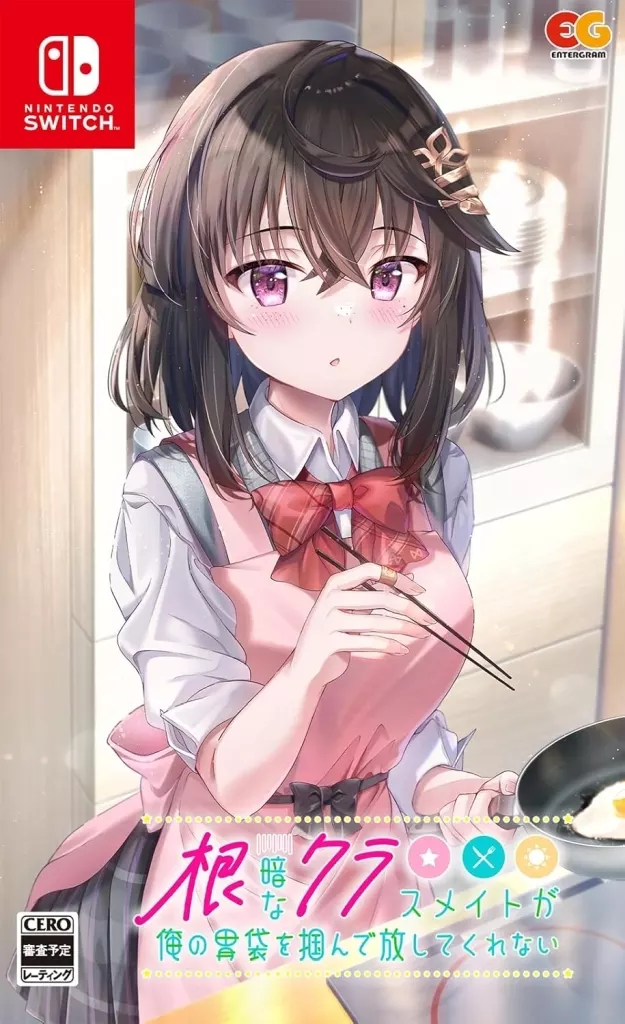
This work has an outstanding impact just from its title. You might initially brace yourself, thinking, “Huh, what kind of game is this......?” But take one step in, and a story that's exceptionally kind, slightly bittersweet, and warm awaits you. The protagonist, Narita Hinata, is an average high school student. At the start of a casual new semester, a chance accident leads to a disastrous first encounter with a female classmate. What follows is a strange relationship initiated under the guise of “atonement.” Yes, she was the gloomy, quiet, but somehow incredibly skilled cook of a classmate.
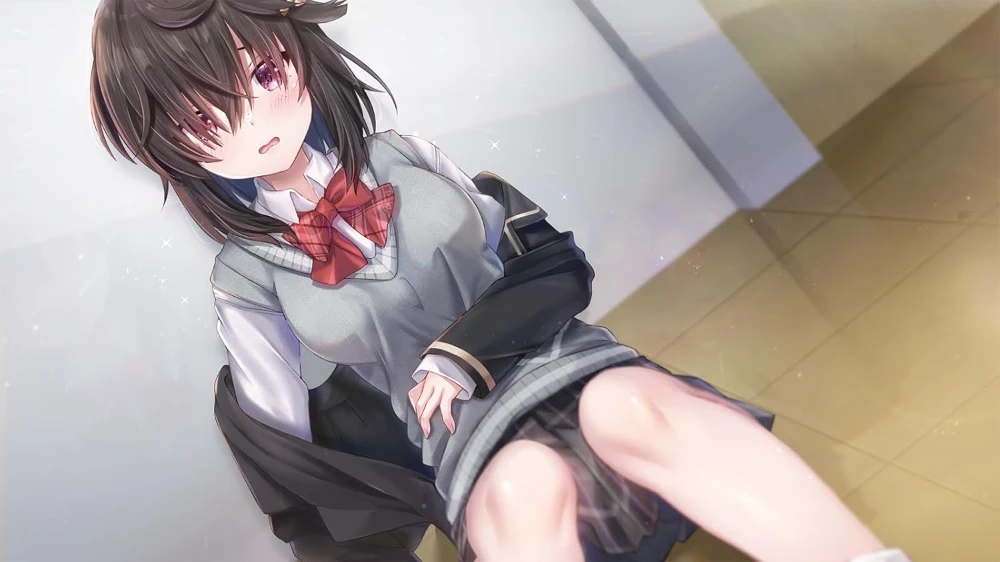
This work is categorized under the “Kinetic Novel” genre, which features no choices. In other words, the player is meant to surrender to the flow of the story and read through it. This style is perfectly suited to the game, and you'll find yourself increasingly drawn in by the cinematic pacing and direction. The original novel won the Grand Prize in the novel division of the 2nd Kinetic Novel Grand Prix, and accordingly, the story's structure is very solid, with realistic and meticulous placement of foreshadowing and portrayal of characters' emotional shifts. As you read, you gradually get the feeling that you've become a part of this story.
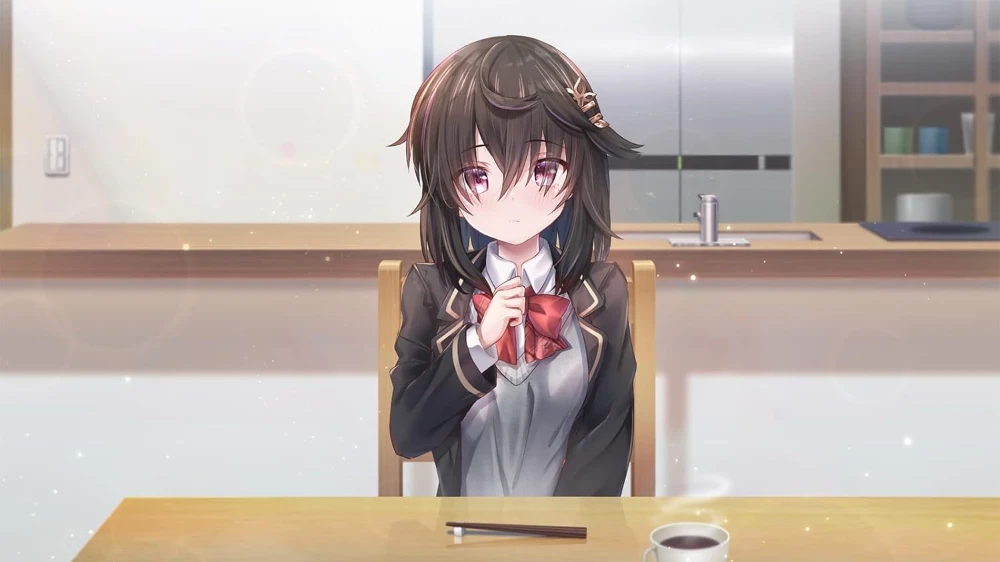
The charm of the heroine lies in her “gap.” The sight of her, expressionless and quiet, deftly cooking in the kitchen. The way the protagonist is initially bewildered by this, then gradually drawn in, and how their emotional distance slowly closes—that flow is depicted so naturally that it's very comforting. The voice acting by Hina Tachibana, who plays the heroine, is also superb; her subtle performance conveys waves of emotion even within the silence, deepening the atmosphere of the story. Furthermore, the protagonist's best friend, Mifuyu Maeda, adds a welcome accent to the narrative, serving as an important presence that brings warmth and rhythm to the story.

Another major appeal of this work is the completeness of its visuals and sound. The illustrations by maruma, who handled the original art, beautifully capture the image of a heroine who is soft yet strong at her core. The backgrounds are composed of soft colors, gently accompanying the story's delicate emotional shifts. The background music, composed by Hisashi Tenkyu, makes the emotion of the scene gently surface the moment the music starts. The music that plays during the cooking scenes, in particular, is the very definition of “healing.”
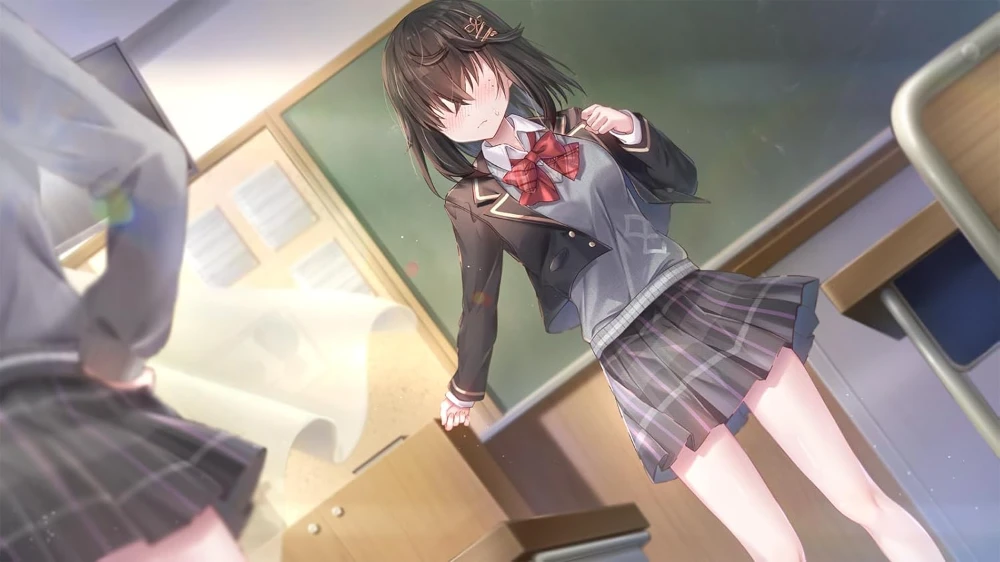
Even after you finish playing, there's a lingering feeling in this game, as if the scent of her homemade food still remains somewhere, even though the story has ended. Even without flashy or sensational developments, the meticulously drawn distance between the characters and the time taken for their hearts to slowly approach one another soak into you, much like home-cooked meals carefully prepared one dish at a time. By the time you finish reading, you'll feel that the title's meaning and the significance of her “stomach” are entirely different than you first thought.

Nekura na Classmate ga Ore no Ibukuro o Tsukande Hanashite Kurenai
Popular Articles
-
 【Alchemy】 Let's fulfill the taboo alchemy of a father who lost his daughter. My Lovely Daughter Reborn, with numerous further brush-up elements added toward the packaged version, decided to go on sale!2026-10-10 Saori
-
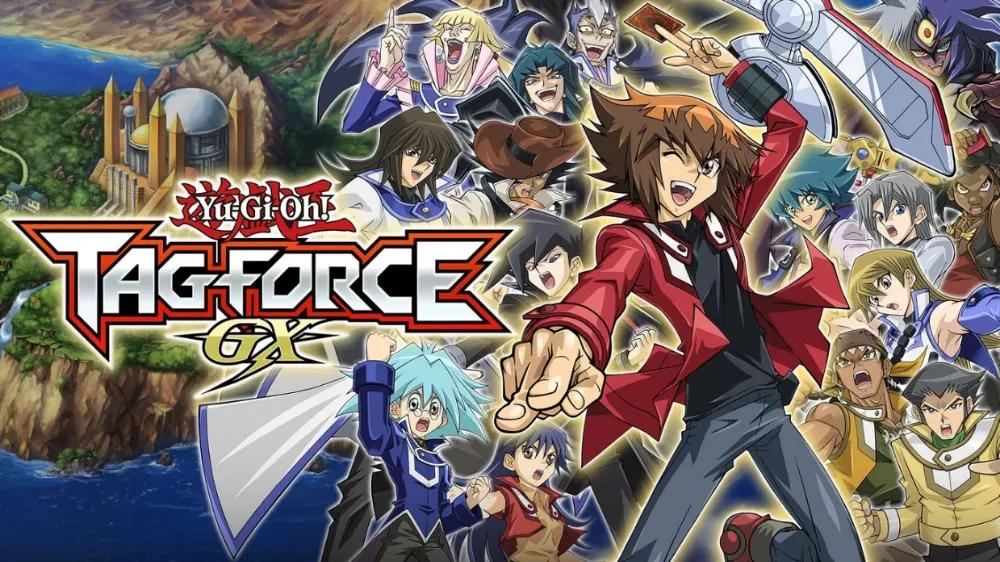 【Yu-Gi-Oh! GX】 Those battles, friends, and the academy revive packed with additional elements! Equipped with online battle functions, Yu-Gi-Oh! TAG FORCE GX making battles with rivals all over the world possible decided to go on sale!2026-10-07 Saori
-
 【VICTRIX】 Now Expanding in Japan! Discover VICTRIX's Top Gaming Devices!2025-03-29 Saori
-
 【TECMO】The Predecessor of KOEI TECMO GAMES! A Company Known for Creating Masterpieces in a Wide Range of Genres, from Simulation to Horror to Fighting Games!2023-11-17 Saori
-
 【TATSUJIN】Named After a Legendary Game! A Rising Game Developer Founded by Former Staff! What Kind of Company is TATSUJIN?2025-03-24 Saori
-
 【THQ Japan】A Once-Dissolved Game Company Revives as a Brand! What is THQ (Japan), Expanding Globally?2025-03-26 Saori